


Get you up to speed: Oil prices rise as attacks dent hopes for Strait of Hormuz reopening
Yemen’s internationally recognised government has accused the Iran-aligned Houthis of killing six individuals in missile attacks on a commercial vessel in the Bab al-Mandeb strait. The incident involved casualties, including two members of the security forces who were on a rescue mission following the attack.
Qatar’s Foreign Ministry reported that negotiations between Oman and Iran regarding the Strait of Hormuz are in an advanced stage, though Tehran insists reopening the strait hinges on US agreement to specific conditions. According to the US Energy Information Administration, oil production in the Middle East is not expected to rebound to pre-conflict levels until early 2027.
Yemen’s internationally recognised government has condemned the Iran-aligned Houthis for missile attacks that killed six individuals on a commercial vessel, prompting a call for action amid escalating violence. The US Energy Information Administration has projected that oil production in the Middle East will not reach pre-conflict levels until early 2027, indicating continued uncertainty in energy markets.
What remains unclear — It is not confirmed when the Strait of Hormuz might reopen or what specific conditions Iran requires for this to occur.
Oil prices increase as attacks hinder Strait of Hormuz reopening prospects
Economy|Business and EconomyOil prices rise as attacks dent hopes for Strait of Hormuz reopening
Brent crude climbs as renewed violence dampens hopes for a return to stability in energy markets.
Published On 12 Aug 202612 Aug 2026
 Published On 12 Aug 202612 Aug 2026
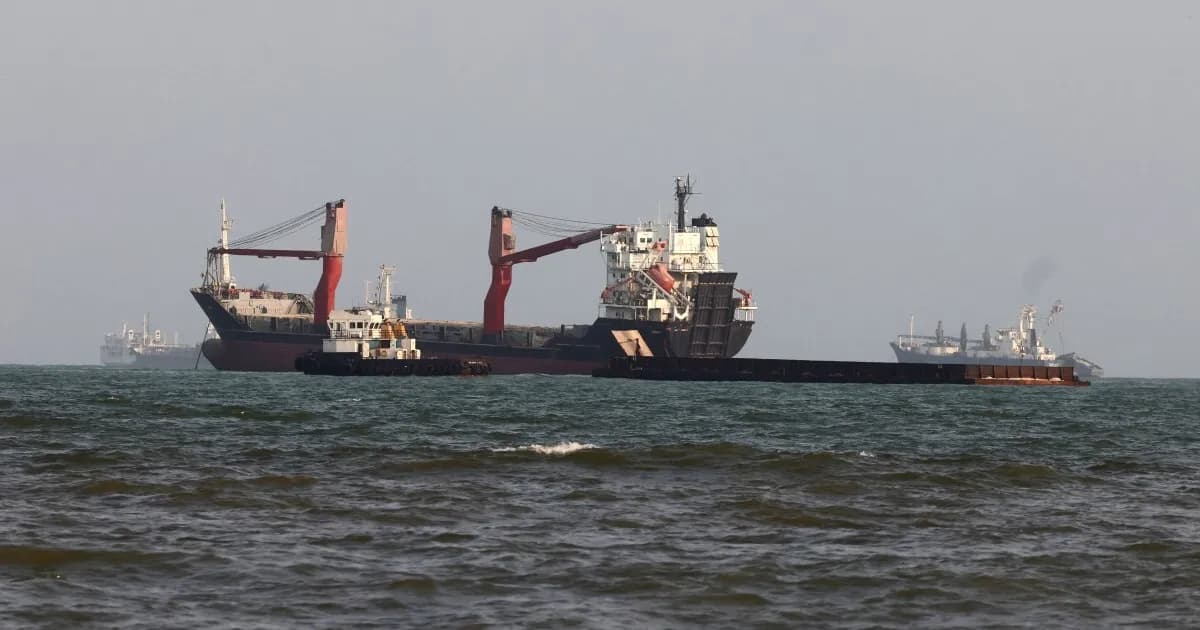
Oil prices have jumped as attacks on shipping in the Middle East cast doubt on prospects for a breakthrough in negotiations to reopen the Strait of Hormuz.
Brent crude rose more than 2 percent overnight into Wednesday, taking the international benchmark to close to $90 a barrel.
Brent futures for October delivery stood at $89.61 as of 03:00 GMT, up about 24 percent compared with before the start of the US-Israel war on Iran in late February.
“Markets have not completely lost hope for a deal, but confidence is clearly eroding,” Tim Waterer, chief market analyst at Australia-based KCM Trade in Sydney, told WTX News.
“The longer talks drag on without visible progress, and the more complex the reported demands become, the greater the scepticism that a workable agreement can be reached quickly,” Waterer said.
“Optimism from earlier in the month is steadily being replaced by a more cautious, risk-premium-driven stance.”
Yemen’s internationally recognised government on Tuesday accused the Iran-aligned Houthis of killing six in missile attacks on a commercial vessel in the Bab al-Mandeb strait, which divides the Arabian Peninsula from the Horn of Africa.
Yemen’s coastguard said the victims included two members of the security forces who had been deployed on a rescue mission following the initial attack.
US Central Command said later in the day that it attacked and disabled a Panama-flagged cargo vessel after it attempted to break the US blockade of Iranian ports.
Oil prices have seen an upward trajectory over the past week amid conflicting signals over the prospects of a deal on reopening the Strait of Hormuz, which carried about one-fifth of global oil supplies before the war.
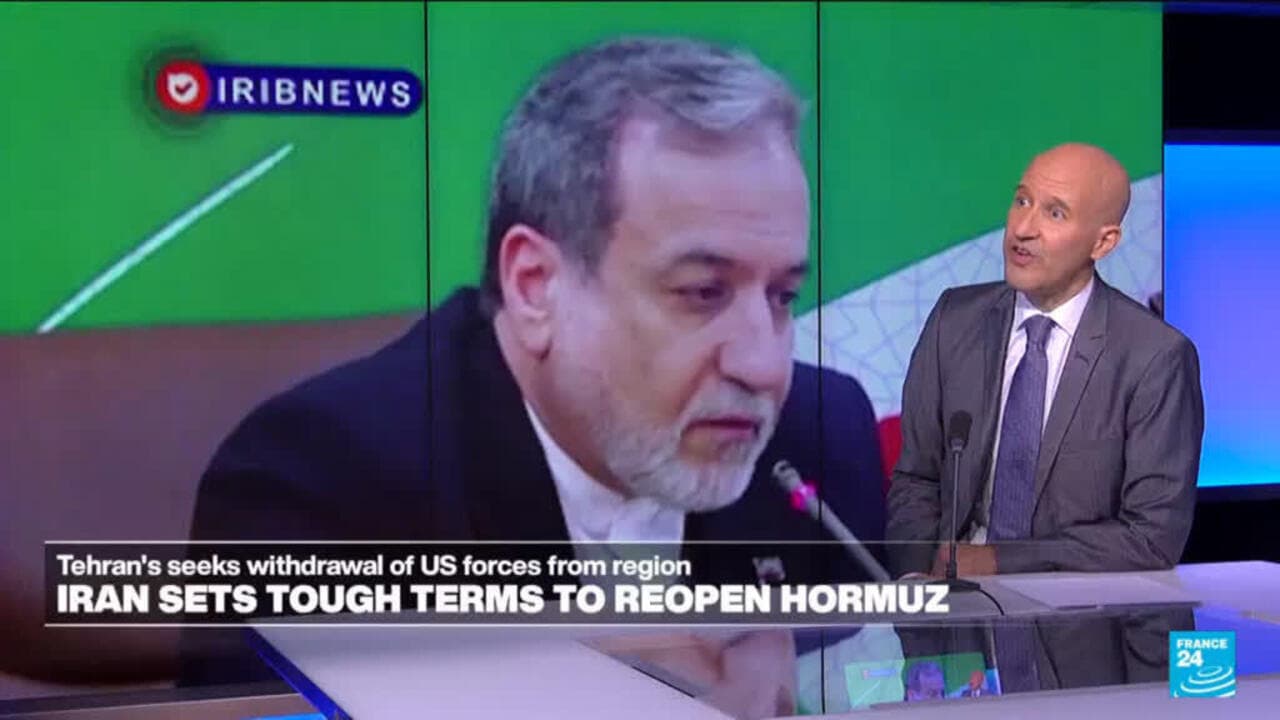
Qatar’s Foreign Ministry said on Tuesday that talks between Oman and Iran on the strait were at an advanced stage, with Doha wishing to see the waterway reopened “as soon as possible”.
Tehran has said that it considers its talks with Oman to be separate from the issue of reopening the strait, with Iranian officials insisting it will remain closed until the US agrees to certain conditions, including war reparations and the lifting of sanctions.
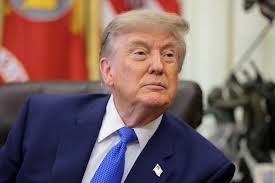
US President Donald Trump on Tuesday claimed that Washington had total control over the strait, despite maritime traffic remaining at a fraction of pre-war levels.
Just 10 vessels crossed the critical waterway on Monday, according to maritime intelligence firm Windward, compared with roughly 130 daily transits before the war.
In its latest market outlook released on Tuesday, the US Energy Information Administration said it did not expect oil production in the Middle East to return to near pre-conflict levels until early 2027, and for the price of Brent to average $87 a barrel in 2026.
“OPEC crude production can only increase once there is a normalcy in flows in both directions through the Strait of Hormuz,” June Goh, a senior oil market analyst at Sparta Commodities in Singapore, told WTX News.
“Thus, fundamentally, oil prices remain supported at the $85-90 per barrel level barring any new headlines on renewed optimism over the diplomatic talks that have not progressed significantly.”













Great article! This really puts things into perspective. I appreciate the thorough research and balanced viewpoint.
Interesting read, though I think there are some points that could have been explored further. Would love to see a follow-up on this topic.
Thanks for sharing this! I had no idea about some of these details. Definitely bookmarking this for future reference.
Well written and informative. The examples provided really help illustrate the main points effectively.
This is exactly what I was looking for! Clear, concise, and very helpful. Keep up the excellent work!