

Greece lifts dairy transport ban from Lesbos following disease outbreak
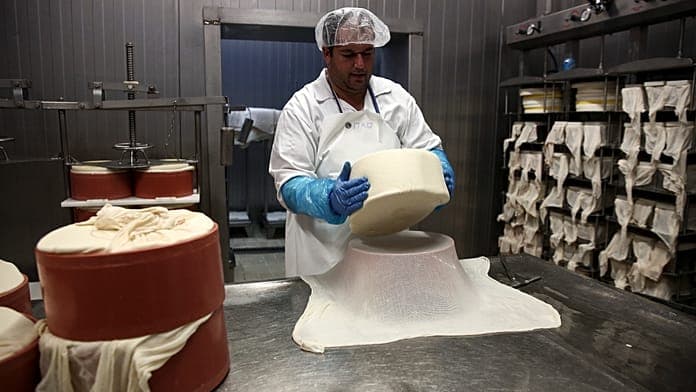
Greece’s Veterinary Directorate-General has lifted the ban on transporting aged dairy products off Lesbos, declaring items aged over two months as “safe products” for private visitors.
Reinstating the transport of aged dairy products enhances local producers’ retail sales during the high tourist season, supporting Lesbos’ economy amid recovery from the disease outbreak.
“This development brings Lesbos’ livestock farming closer to normality and must finally free it from foot-and-mouth disease,” stated Kostas Moutzouris, the regional governor of the North Aegean.
Foot-and-mouth disease: Lesvos cheese ban lifted amid tourist season
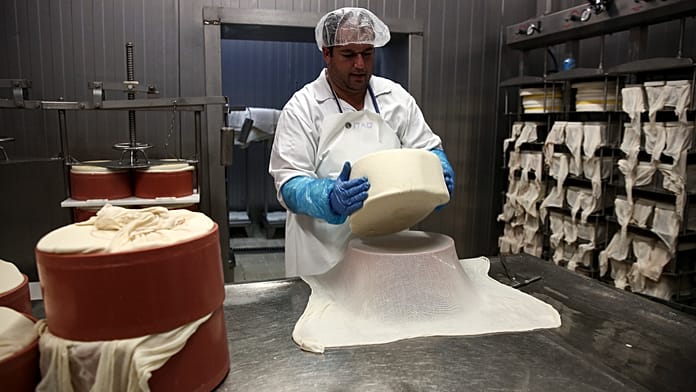
The Veterinary Directorate-General of Greece’s Ministry of Rural Development and Food has lifted the ban on the transport of local dairy products off Lesbos by private individuals visiting the island. Their transport had been prohibited for months because of an outbreak of the animal disease foot-and-mouth in herds on the island.
Under the new decision, dairy products that have been aged for more than two months are now considered “safe products” and may be taken off Lesbos by private visitors, both by ferry and by air.
Among these are:
- feta,
- ladotyri,
- kasseri,
- graviera,
- kefalotyri.
In practice, this means that visitors to Lesbos can once again buy mature local cheeses and take them with them when leaving the island, whether they are travelling by ship or by plane.
The development also has an immediate economic impact for producers and local dairies, as it restores a significant share of their retail sales. This possibility becomes particularly important during the summer season, when thousands of visitors choose products from Lesbos’ land to take home with them after their holidays.
The regional governor of the North Aegean, Kostas Moutzouris, had insisted in his contacts with Deputy Minister of Rural Development Athanasios Kavvadas on lifting this specific restriction, following a related request by the Lesbos Cheese Producers’ Association. In a statement, Mr Moutzouris expresses his satisfaction with the development, “which brings Lesbos’ livestock farming closer to normality and which must finally be freed from foot-and-mouth disease”.
















Great article! This really puts things into perspective. I appreciate the thorough research and balanced viewpoint.
Interesting read, though I think there are some points that could have been explored further. Would love to see a follow-up on this topic.
Thanks for sharing this! I had no idea about some of these details. Definitely bookmarking this for future reference.
Well written and informative. The examples provided really help illustrate the main points effectively.
This is exactly what I was looking for! Clear, concise, and very helpful. Keep up the excellent work!