


Strike brings Germany’s public transport network to halt
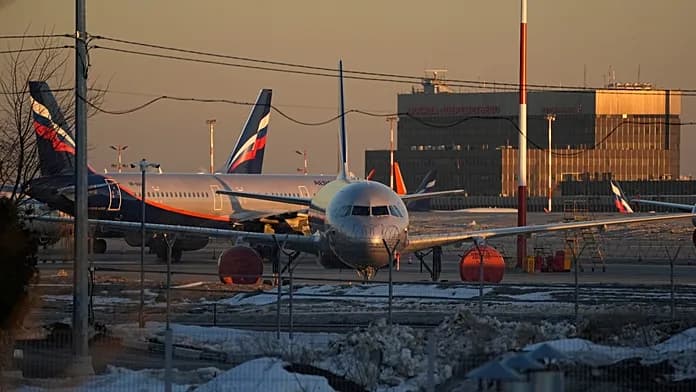
On Monday, Germany’s transportation system is expected to come to a near standstill due to strikes by two major unions. Workers across airports, ports, railways, buses, and subways walked out shortly after midnight for a 24-hour stoppage in demand for higher wages to offset the rising cost of living. This will be the largest strike in decades in the country, with multiple smaller walkouts already having occurred in other public service sectors.
The two unions behind the strike are among the largest in Germany. Verdi represents approximately 2.5 million employees in the public sector, including public transportation and airports. EVG represents approximately 230,000 employees at Deutsche Bahn, the national rail operator, and other bus companies. The unions hope that the strike will increase pressure on employers ahead of another round of pay negotiations on Monday.
Verdi is seeking a 10.5% pay increase for staff, while EVG is pushing for a 12% raise. The chief of Verdi, Frank Werneke, has described the pay rise as “a matter of survival for many thousands of employees.” He added that the workers are “not only underpaid, they are hopelessly overworked.”
Germany’s national rail operator, Deutsche Bahn, has criticised the unions’ plans, calling them “completely excessive, groundless, and unnecessary.” Munich Airport experienced multiple flight disruptions on Sunday due to the walkout. The airport association has stated that approximately 380,000 air travellers will be impacted by the strike, which it considers “beyond any imaginable and justifiable measure.”
Some employer representatives caution that the unions’ demands are unreasonable and risk alienating the public. However, other unions have previously secured wage increases, including postal workers who received an 11.5% pay raise in early March.













Great article! This really puts things into perspective. I appreciate the thorough research and balanced viewpoint.
Interesting read, though I think there are some points that could have been explored further. Would love to see a follow-up on this topic.
Thanks for sharing this! I had no idea about some of these details. Definitely bookmarking this for future reference.
Well written and informative. The examples provided really help illustrate the main points effectively.
This is exactly what I was looking for! Clear, concise, and very helpful. Keep up the excellent work!