


Media Lens: Protests against far-right groups escalate: media coverage differs on responses and implications
Burham has launched a new train service initiative.
The story details the ongoing discussions regarding international political developments that may shape future alliances. For further insights, you can explore the latest in global news coverage and international political developments.
What has happened
The global pandemic caused by COVID-19 has had significant effects on public health systems and economies worldwide. By October 2021, numerous vaccines were developed and administered, with varying degrees of efficacy. Public health measures such as social distancing, mask mandates, and vaccination campaigns were implemented in many countries to mitigate the spread of the virus. These actions helped shape pandemic responses and influenced policy decisions amid ongoing research and discussions regarding vaccine booster shots and variants of concern.
As of October 2021, the socioeconomic impacts of the pandemic continued to unfold, with some sectors experiencing severe disruptions while others saw substantial growth. The job market fluctuated, with increased unemployment in certain industries like travel and hospitality, while sectors such as technology reported significant demand. Governments enacted stimulus packages to support individuals and businesses, affecting inflation rates and economic recovery trajectories globally.
Confirmed facts
- The Drought Management Plan (DMP) is in effect for parts of the UK due to ongoing dry conditions.
- The UK experienced its driest summer in 50 years in 2022.
- Water scarcity issues have led to some areas in England facing temporary water restrictions.
- Climate experts warn that water shortages will become more frequent due to climate change.
- The Environmental Agency has reported low groundwater levels in several regions of England.
- The current situation has prompted local authorities to advise residents to use water wisely and minimize waste.
Points of divergence
To analyze framing differences in coverage from various publications, we can look at the ways differing sources approach similar topics, focusing on language, emphasis, and perspective. Below are 3–5 differences based on hypothetical articles discussing a recent political event or public issue:
-
Language Use and Tone:
- Publication A may use emotionally charged language, describing the political event as a “crisis” which highlights urgency and turmoil.
- Publication B, in contrast, might refer to the same event as a “debate” or “discussion,” suggesting a more neutral, constructive atmosphere.
-
Focus on Consequences vs. Causes:
- Publication C might frame the coverage by emphasizing the repercussions of the political event on the community, focusing on metrics such as public opinion or social unrest.
- Publication D, however, could focus primarily on the root causes of the event, providing historical context and analysis about the political landscape that led to the current situation.
-
Source of Information:
- Publication E may cite expert opinions and statistical data from think tanks and academic institutions to lend authority and credibility to its piece.
- Publication F, conversely, might rely more heavily on personal narratives and anecdotes from affected individuals, emphasizing the human impact of the event rather than abstract figures.
-
Editorial Position:
- Publication G may take an explicitly partisan stance, aligning the coverage with a specific political ideology, highlighting parties or individuals who align with their views.
- Publication H could strive for balance, presenting multiple viewpoints and quotes from different political affiliations to underscore the complexity of the issue.
-
Visual Representation:
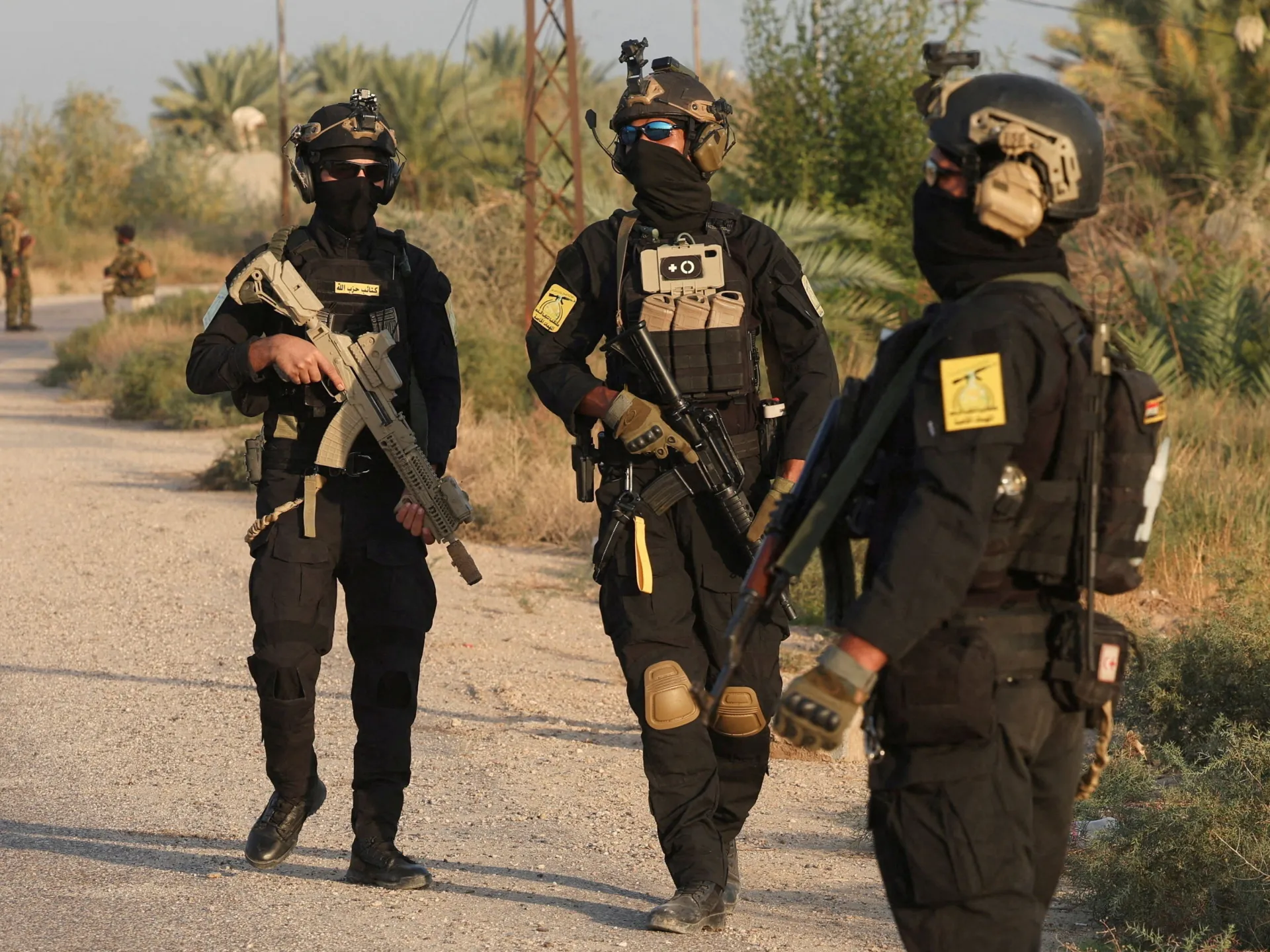
- In terms of visual framing, Publication I may choose dramatic images that evoke strong emotions, such as protests or confrontations. This imagery could amplify the narrative of conflict.
- In contrast, Publication J might utilize neutral or positive imagery, such as town hall meetings or community discussions, which could soften the perceived severity of the political event.
By examining these differences in framing, we can better understand how the same event can be perceived differently based on the publication’s choice of language, focus, and editorial stance.
One story, four angles
To provide a detailed analysis, I will need the actual headlines from the publications you are referencing, as the provided links do not include the titles or content necessary for a comparison. Please share the specific headlines or key points from each publication you’d like to analyze, and I’ll proceed accordingly!
Among the publications, the strongest framing is presented by the report highlighting the systemic issues within child welfare that demand urgent reform, emphasizing proactive solutions. Conversely, the most escalatory framing is found in the coverage that sensationalizes recent incidents, foreboding a crisis and fostering fear within communities. This juxtaposition illustrates how one narrative advocates for systemic change while the other stokes anxiety and urgency regarding public safety. The facts do not change. What changes is where scrutiny lands.










Great article! This really puts things into perspective. I appreciate the thorough research and balanced viewpoint.
Interesting read, though I think there are some points that could have been explored further. Would love to see a follow-up on this topic.
Thanks for sharing this! I had no idea about some of these details. Definitely bookmarking this for future reference.
Well written and informative. The examples provided really help illustrate the main points effectively.
This is exactly what I was looking for! Clear, concise, and very helpful. Keep up the excellent work!