


Get you up to speed: Nearly 1,500 migrants arrive in Myanmar from Malaysia despite UN warnings
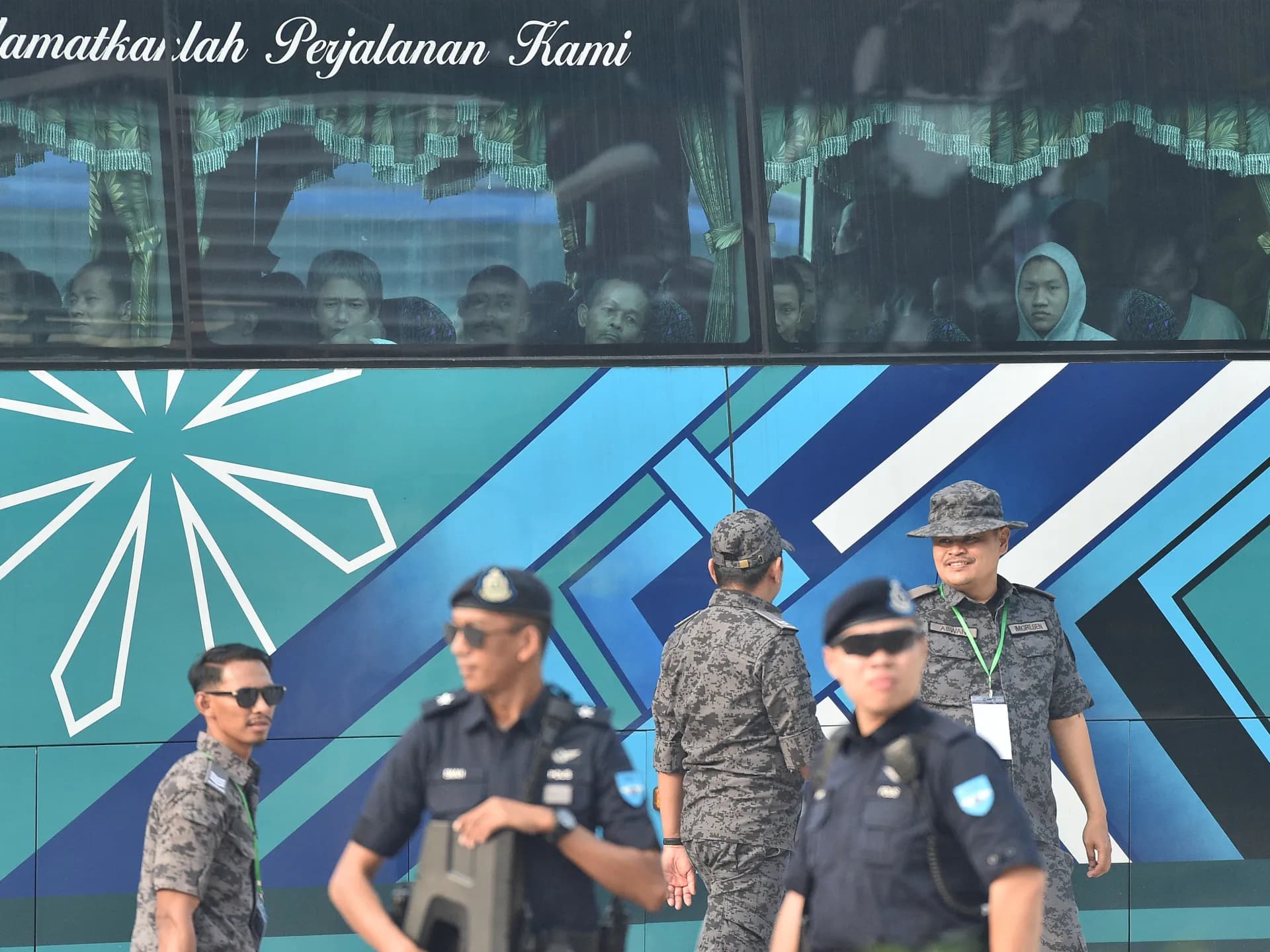
Nearly 1,500 Myanmar refugees and migrants were deported from Malaysia and arrived in southern Yangon on Sunday as part of a repatriation programme. The returnees were transported aboard two navy warships and a hospital ship, while Malaysia continues to hold more than 10,300 others in immigration detention centres.
Nearly 1,500 Myanmar refugees were repatriated from Malaysia on Tuesday as part of a broader plan to return 5,000 individuals in stages, amid concerns over their safety and the conditions in Myanmar. The Malaysian government plans to move forward with the repatriation of a second group of more than 3,500 refugees and migrants, despite criticism from human rights groups and a lack of assurance regarding the safety of returnees.
Malaysian Prime Minister Anwar Ibrahim has announced plans to repatriate a second group of over 3,500 refugees, citing financial, social, and security burdens. Meanwhile, Myanmar’s Min Aung Hlaing is expected to visit Malaysia soon to discuss the controversial repatriation scheme.
What remains unclear — It is unknown how many of the returnees are from the Rohingya community, a group particularly at risk upon their return.
Nearly 1,500 migrants arrive in Myanmar from Malaysia amid UN warnings
News|RefugeesNearly 1,500 migrants arrive in Myanmar from Malaysia despite UN warnings
Malaysia continues mass refugee deportations despite warnings from the UN about unsafe conditions in an active war zone.
Published On 5 Oct 20265 Oct 2026
Nearly 1,500 Myanmar refugees and migrants deported from Malaysia have arrived in their war-ravaged country under an opaque repatriation scheme heavily criticised by human rights groups and the United Nations refugee agency.
The 1,479 returnees, transported from Malaysia on board two navy warships and a hospital ship on Tuesday, arrived in southern Yangon early Sunday, Nay Lin Tun, a regional government minister, said.
They are among 5,000 Myanmar nationals who will be repatriated in stages from Malaysia, where more than 10,300 others are being held in immigration detention centres, according to the country’s Home Ministry.
Malaysia insists all returnees agreed to voluntary repatriation, but rights monitors have raised concerns that Myanmar refugees had little choice and warned that conditions for return remain unsafe.
The UN refugee agency said this past week that its staff were not allowed to meet the Myanmar nationals to confirm whether their decisions to return “were genuinely free and informed”.
Rohingya make up the majority of Myanmar refugees and asylum seekers in Malaysia, but it remains unclear how many members of the persecuted Rohingya are among the returned group.
The deportation was carried out during escalating raids on refugee communities in Malaysia by immigration officials, which led to the detention of more than 50,000 refugees in 2026.
Malaysian Prime Minister Anwar Ibrahim announced the repatriations in July against a backdrop of rising xenophobia towards refugees, particularly the Rohingya.
Kuala Lumpur is moving ahead with plans to return a second group of more than 3,500 refugees and migrants, saying they have caused financial, social and security burdens.
While Malaysia is not a party to the UN Refugee Convention and treats refugees as undocumented migrants, it is home to about 215,600 refugees and asylum seekers registered with the United Nations High Commissioner for Refugees (UNHCR).
This includes more than 126,000 mainly Muslim Rohingya refugees.
Myanmar pledged last month that returns will be “safe and dignified”.
But Yap Lay Sheng, a senior human rights specialist with Fortify Rights, told the AFP news agency: “There’s no telling how the regime would treat returnees.”
Myanmar has been accused of committing genocide against the Rohingya Muslim minority. Earlier this year, the International Court of Justice (ICJ) opened its first genocide case it has heard in full in more than a decade.
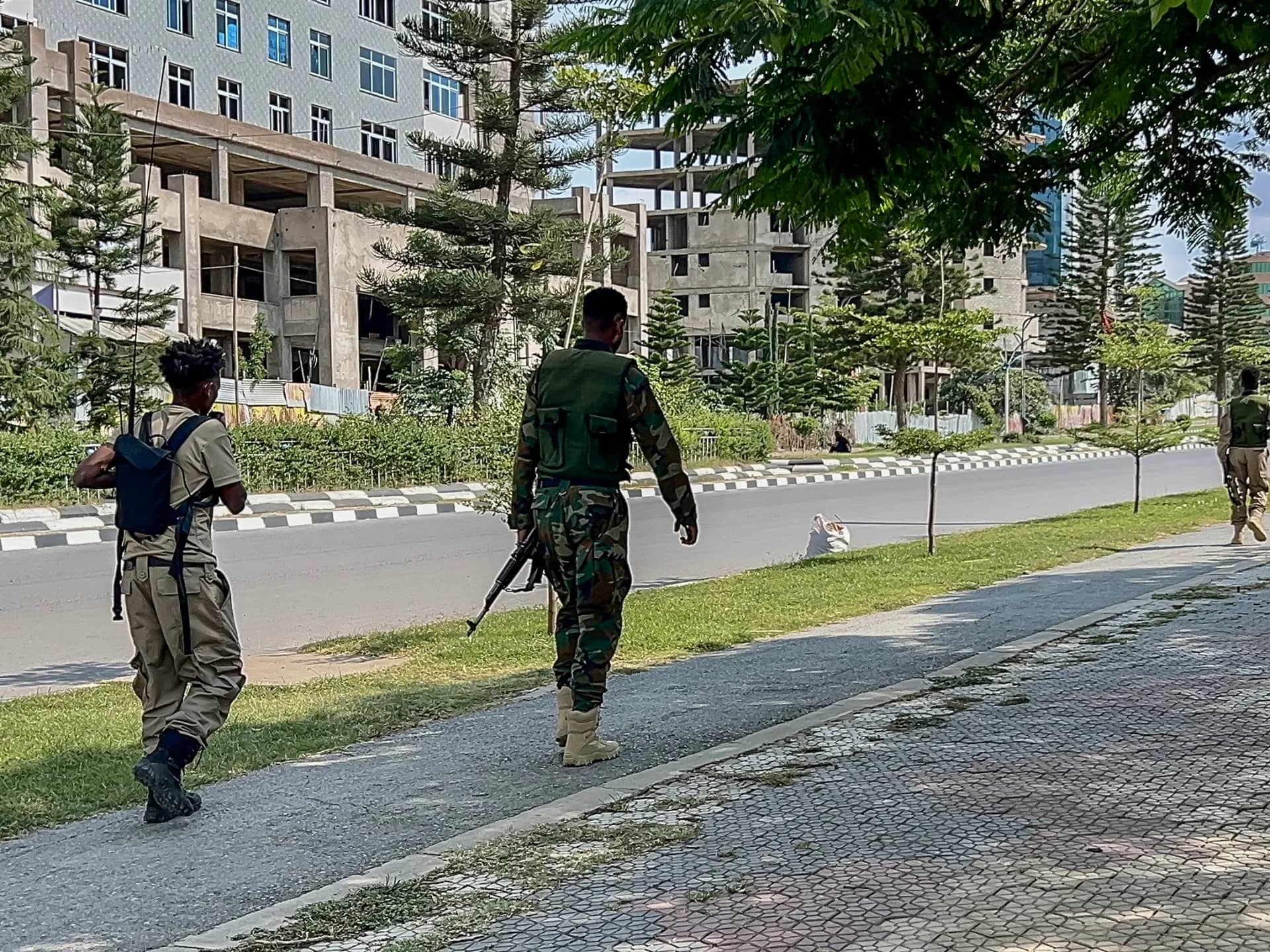
The UNHCR and rights groups said returnees could face persecution and forced military conscription in an active war zone. Myanmar has been embroiled in a civil war since the military seized power from the elected government in 2021.
The war has killed more than 100,000 people since the coup, according to the Armed Conflict Location and Event Data (ACLED) project.
Myanmar’s Min Aung Hlaing, the military coup leader who was installed as civilian president in April, is expected to visit Malaysia soon to discuss the repatriation scheme.








Great article! This really puts things into perspective. I appreciate the thorough research and balanced viewpoint.
Interesting read, though I think there are some points that could have been explored further. Would love to see a follow-up on this topic.
Thanks for sharing this! I had no idea about some of these details. Definitely bookmarking this for future reference.
Well written and informative. The examples provided really help illustrate the main points effectively.
This is exactly what I was looking for! Clear, concise, and very helpful. Keep up the excellent work!