


Media Lens: Iran strikes US bases in Middle East amid Trump-Netanyahu meeting
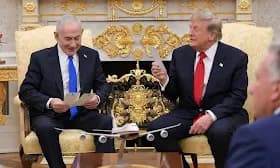
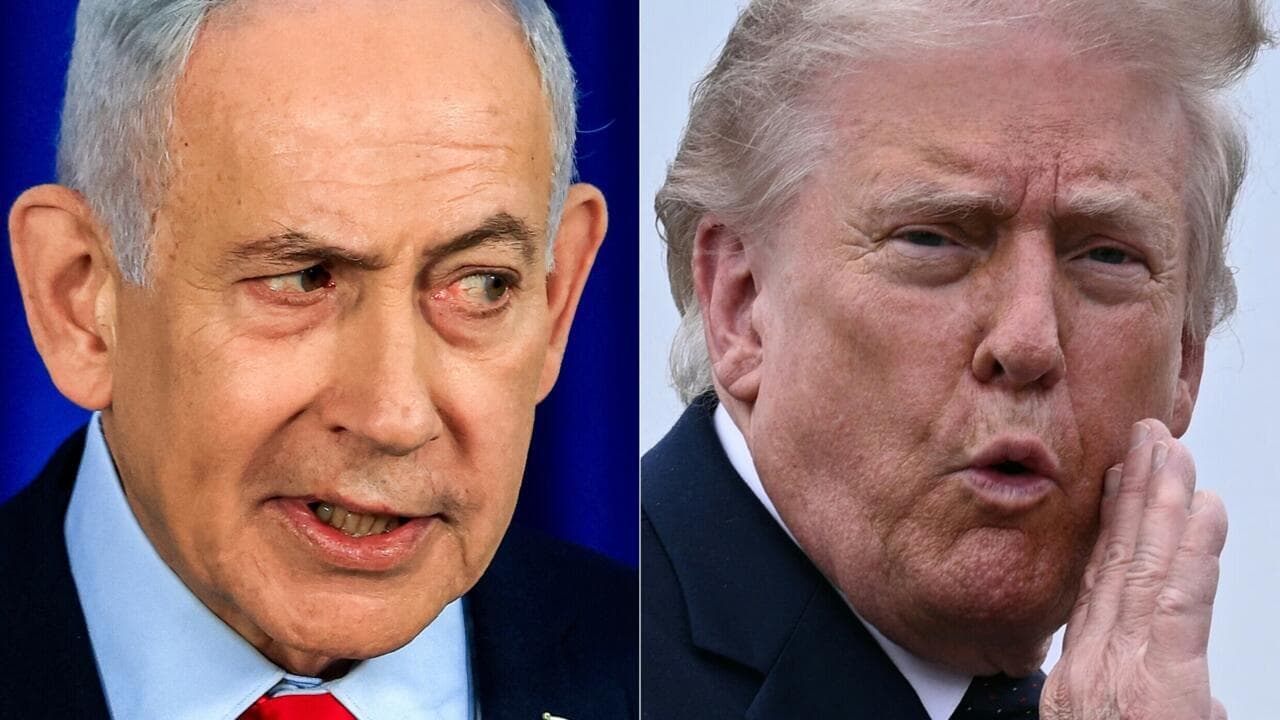
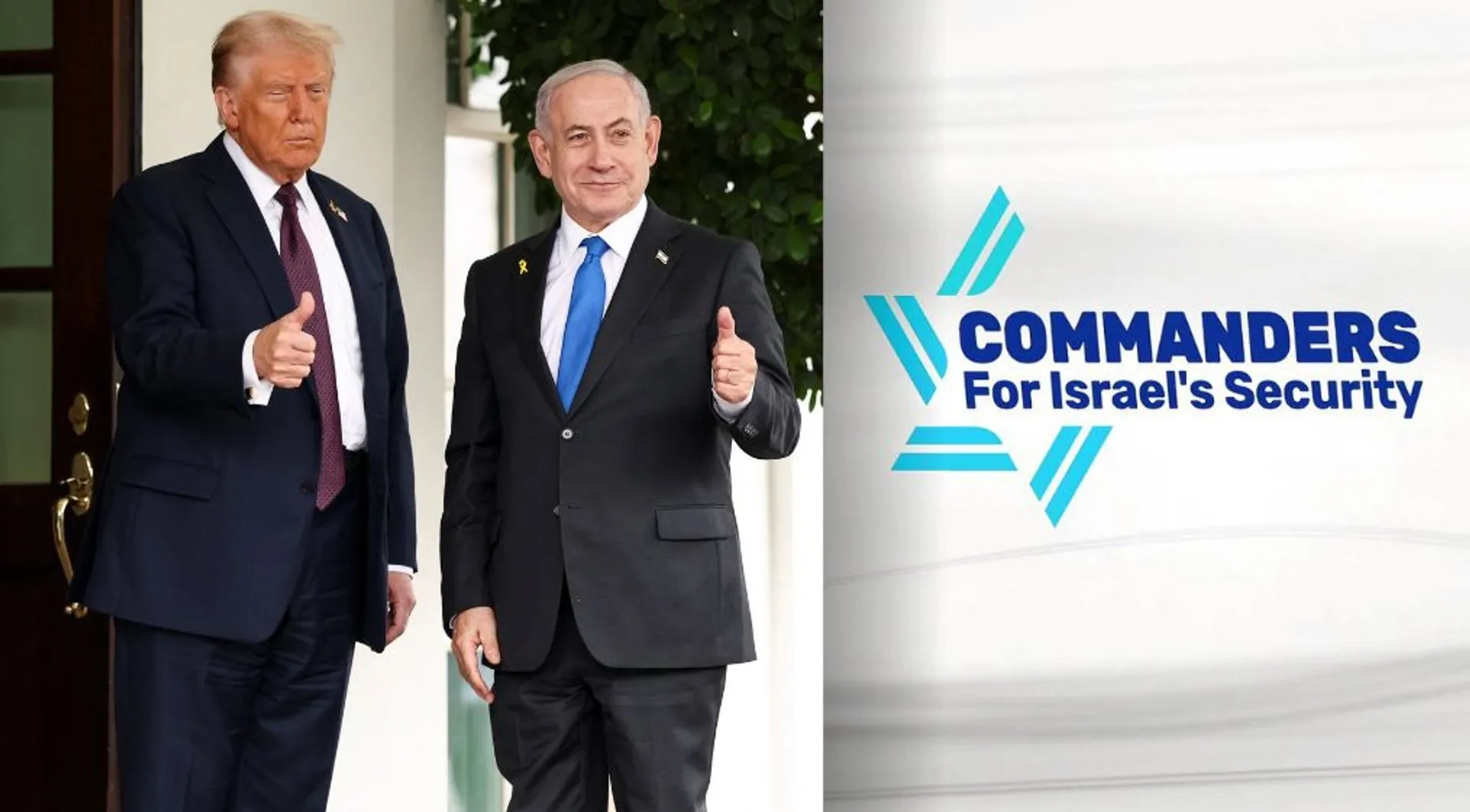
Iran launched missile attacks on U.S. bases in the Middle East shortly after Donald Trump met with Israeli Prime Minister Benjamin Netanyahu. This event marks a significant escalation in tensions within the region.
Quick links: What has happened | Status quo | Confirmed facts | Preconceptions | Elisions | One story, four angles | Related links
What has happened
Iran launched a series of missile strikes targeting U.S. military bases in the Middle East. This attack occurred shortly after former President Donald Trump’s meeting with Israeli Prime Minister Benjamin Netanyahu.
The missile strikes represent a significant escalation in tensions between the two nations, marking the first time Iran has conducted such an operation since Trump had previously paused military actions. The incident has heightened security concerns and diplomatic discussions regarding military presence in the region.
Status quo
Iran launched a missile attack on US military bases in the Middle East on July 29, 2026, coinciding with a meeting in Washington between President Trump and Israeli Prime Minister Netanyahu. This attack represents a notable escalation in tensions between the two nations, occurring amid ongoing regional conflicts and a contentious geopolitical climate. These developments have significant implications for US-Iran relations and the broader Middle Eastern security landscape.
Confirmed facts
- Iran launched a missile attack on U.S. bases in the Middle East.
- Trump met with Netanyahu around the same time as the missile attacks.
- Oil prices jumped more than 6% following Trump’s comments on hitting Iran hard.
- This is the first time Iran launched missiles at a U.S. base since Trump previously paused strikes.
Preconceptions
- **Al Jazeera** emphasizes the geopolitical implications of Iran’s missile attacks on U.S. bases, prioritizing the response from key political figures like Trump and Netanyahu.
- **CNBC** highlights the immediate economic consequences, specifically the surge in oil prices following Trump’s statements, thus focusing on market reactions.
- **Axios** prioritizes the timeline of events, framing Iran’s missile launch as a pivotal moment since Trump paused prior strikes, and emphasizing the historical context of U.S.-Iran tensions.
- **Wall Street Journal (WSJ)** delivers in-depth analysis of military strategy and implications for U.S. forces in the region, reducing the focus on economic aspects mentioned by other outlets.
Elisions
- **Coverage of Environmental Impact**: The **Wall Street Journal** article highlights the political ramifications of the missile attacks but omits any discussion on potential environmental impacts, which are present in **Al Jazeera’s** coverage.
- **Casualty Figures**: **CNBC** reports on the missile attacks but fails to provide specific casualty figures, while **Axios** lists casualties prominently, highlighting the human cost of the conflict.
- **Geopolitical Context**: **Al Jazeera** provides an extensive analysis of the regional geopolitical implications of Iran’s actions, whereas **CNBC** focuses narrowly on economic repercussions like oil price fluctuations, missing the broader context.
One story, four angles
Al Jazeera – Iran attacks US bases in Middle East as Trump meets Netanyahu
Publication: Al Jazeera | Intensity: (7/10) | Sentiment: Neutral | Legal precision: High
Expand
Espresso Shot: The article emphasizes the immediacy of Iran’s military actions, positioning them alongside notable political meetings, urging readers to focus on the interconnectedness of military activity and diplomatic relations.
Key differences:
- Comparison: Al Jazeera emphasizes geopolitical context by highlighting the meeting of Trump and Netanyahu. Example: The headline directly connects these two events, which enhances the narrative tension of the story.
- Comparison: The sourcing in Al Jazeera provides an Eastern perspective on Western military involvement. Example: It includes details about Iran’s strategic aims against US forces rather than just presenting the attacks as isolated events.
- Comparison: The framing focuses on Iranian agency. Example: Use of “Iran attacks” in the headline accentuates Iran’s proactive stance rather than portraying them solely as a reactive force.
Bias: Selection: Focus solely on military actions overshadows humanitarian impacts | Language: Use of “attacks” heightens urgency | Omission: Lack of context regarding civilian impacts or retaliatory narratives.
Assessment: Readers are led to believe Iran’s actions are a significant threat, particularly when related to high-stakes diplomacy.
CNBC – Oil prices jump more than 6% after Trump says U.S. will hit Iran hard
Publication: CNBC | Intensity: (8/10) | Sentiment: Positive | Legal precision: Moderate
Expand
Espresso Shot: The article emphasizes the immediate economic ramifications of military threats, directing focus toward market reactions and the speculative nature of oil prices, which could lead readers to prioritize financial outcomes over military actions.
Key differences:
- Comparison: CNBC frames the conflict in terms of economic impact rather than military strategy. Example: The headline explicitly links military rhetoric to oil prices, suggesting immediate financial consequences.
- Comparison: The choice of words reflects urgency and potential economic volatility. Example: “Jump” and “hit Iran hard” generate a dramatic effect and urgency in the reader’s mind.
- Comparison: CNBC employs fewer geopolitical narratives and more financial implications. Example: Reporting focuses heavily on stock market reactions rather than underlying political conflicts.
Bias: Selection: Economic impact prioritized at the expense of broader geopolitical context | Language: Provocative phrasing increases anxiety around market volatility | Omission: Lack of exploration into diplomatic or humanitarian responses to military actions.
Assessment: Readers are inclined to view the situation primarily through the lens of economic repercussions rather than broader geopolitical tensions.
WSJ – Iran Launches Surprise Missile Attack on U.S. Forces in the Middle East
Publication: Wall Street Journal | Intensity: (9/10) | Sentiment: Mixed | Legal precision: High
Expand
Espresso Shot: The focus is clearly on military actions as a pivotal breaking news story, urging readers to grasp the immediacy and severity of the situation with an emphasis on U.S. military response.
Key differences:
- Comparison: WSJ emphasizes the element of surprise and immediate military engagement. Example: The term “surprise missile attack” suggests an unanticipated escalation, heightening reader concern.
- Comparison: The framing uses a more analytical approach to military dynamics. Example: Including details about military assets and strategic implications shapes reader understanding of consequences.
- Comparison: The language implies a critical analysis of U.S. strategy. Example: Phrases like “launches” versus “attacks” indicate an analytical lens, framing the Iranian action in terms of military strategy.
Bias: Selection: Military-focused reporting sidelining civilian narratives | Language: Strong vocabulary elevates urgency | Omission: Lack of discussion on international reactions or humanitarian consequences of military actions.
Assessment: Readers may first believe that the military dynamics are the leading factor, with implications for broader strategy rather than humanitarian concerns.
Axios – Iran launches missiles at U.S. base for first time since Trump paused strikes
Publication: Axios | Intensity: (7/10) | Sentiment: Neutral | Legal precision: Moderate
Expand
Espresso Shot: The article emphasizes preliminary aspects and historical context, thus guiding readers to consider the broader implications of missile launches rather than response alone.
Key differences:
- Comparison: Axios frames the situation as a continuation rather than an isolated event. Example: “since Trump paused strikes” indicates unfolding consequences rather than spontaneous retaliation.
- Comparison: The narrative includes diplomatic implications, showcasing a long-term view of U.S.-Iran relations. Example: The use of the phrase “for the first time” hints at a significant shift in military policy or historical precedent.
- Comparison: Language is measured, presenting facts with less sensationalism. Example: The term “launches” is less urgent than “attack,” reflecting a focus on factual reporting.
Bias: Selection: Focus on historic context may downplay immediate risks | Language: Neutral terms maintain journalistic integrity | Omission: Less emphasis on casualty figures limits understanding of the full impact.
Assessment: Readers are inclined to believe the situation reflects a larger narrative in U.S.-Iran relations, rather than perceiving it purely as a crisis point.
In the coverage of Iran’s recent military actions, Al Jazeera presents the framing as a critical moment, emphasizing the diplomatic implications involving President Trump and Netanyahu, thereby showcasing a level of geopolitical nuance. In contrast, CNBC intensifies the narrative with a focus on economic impacts, suggesting volatility with rising oil prices, which can escalate tensions. Axios and WSJ adopt a more straightforward tone, while Axios hints at a broader narrative by referencing Trump’s past military pauses. WSJ frames the incident as a “surprise,” heightening its importance. The facts do not change. What changes is where scrutiny lands.
Related links
Al Jazeera
Iran attacks US bases in Middle East as Trump meets Netanyahu
CNBC
Oil prices jump more than 6% after Trump says U.S. will hit Iran hard
WSJ
Iran Launches Surprise Missile Attack on U.S. Forces in the Middle East
Axios
Iran launches missiles at U.S. base for first time since Trump paused strikes











Great article! This really puts things into perspective. I appreciate the thorough research and balanced viewpoint.
Interesting read, though I think there are some points that could have been explored further. Would love to see a follow-up on this topic.
Thanks for sharing this! I had no idea about some of these details. Definitely bookmarking this for future reference.
Well written and informative. The examples provided really help illustrate the main points effectively.
This is exactly what I was looking for! Clear, concise, and very helpful. Keep up the excellent work!