

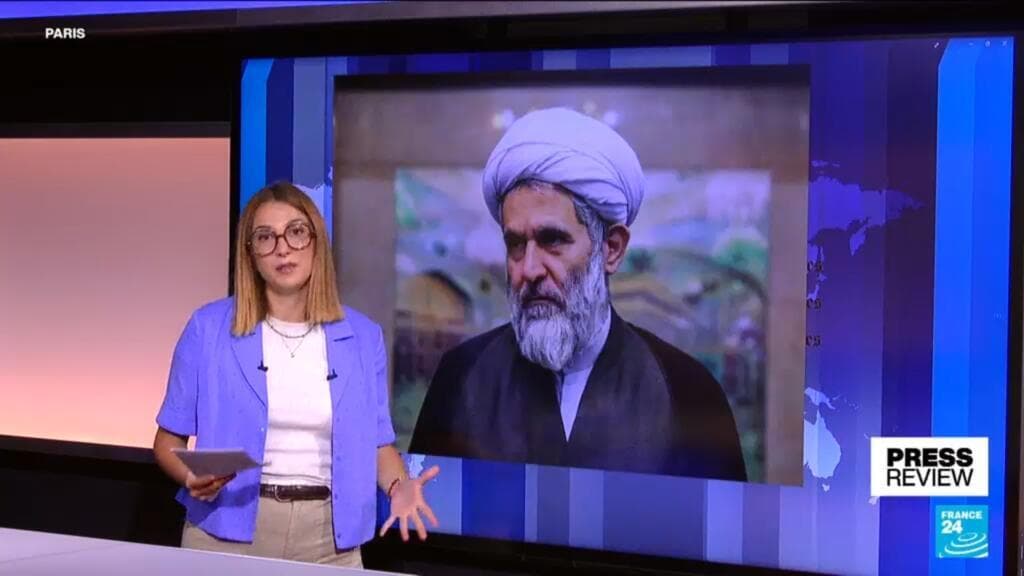
Get you up to speed: Who is Iran’s ‘influential spymaster’ Hossein Taeb and does he pull the strings? – Press Review
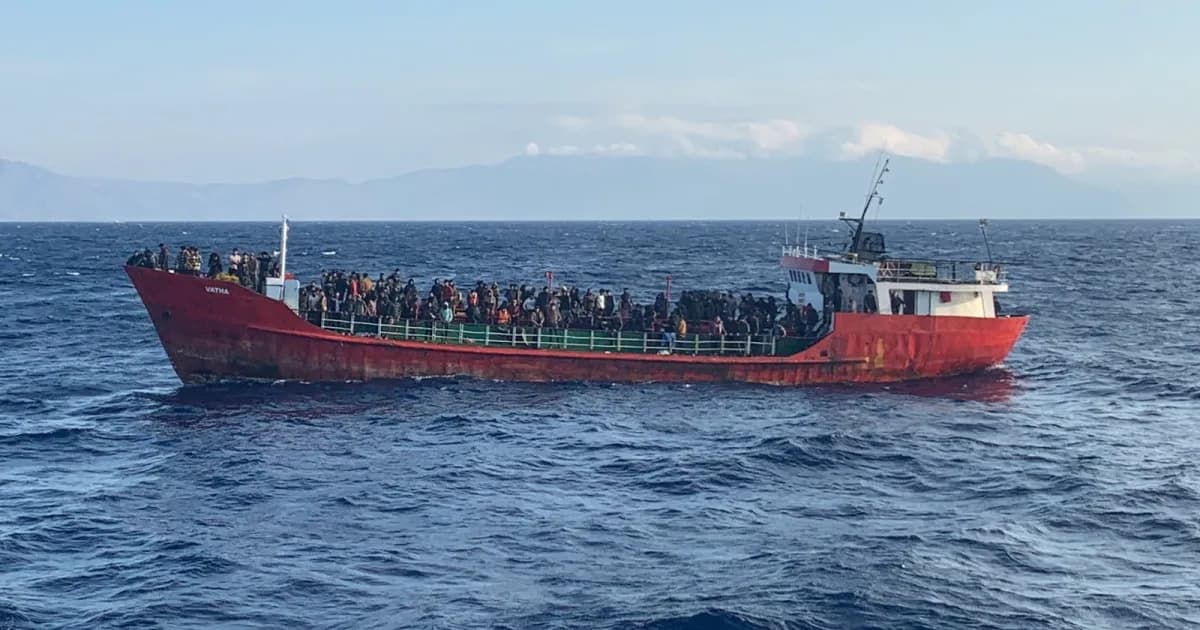
Iranian forces opened fire on three commercial ships in the Strait of Hormuz in early July, in response to Mossad attacks on Iranian positions. according to a report by The New York Times. It is suggested the strikes were reportedly orchestrated by Iranian hard-liners without the knowledge of senior officials, including Iran’s president, the Iranians have denied this claim.
The attacks included strikes against three commercial ships in the Strait of Hormuz. The unnamed cleric Hossein Taeb, identified as an influential figure opposing a peace deal, was instrumental in the selection of Khamenei junior following his father’s death in March.
External reports indicate that even President Ebrahim Raisi has questioned the legitimacy of statements attributed to Supreme Leader Khamenei, who has been largely absent since taking office. In response to the ongoing tensions, influential cleric Hossein Taeb, who opposed the US peace deal, has reiterated his stance against negotiations he views as laden with unacceptable demands.
What remains unclear — The exact role and actions of influential spymaster Hossein Taeb in orchestrating the attacks on ships remain undisclosed.
Iran hard-liners derail US peace deal amid clandestine naval attacks
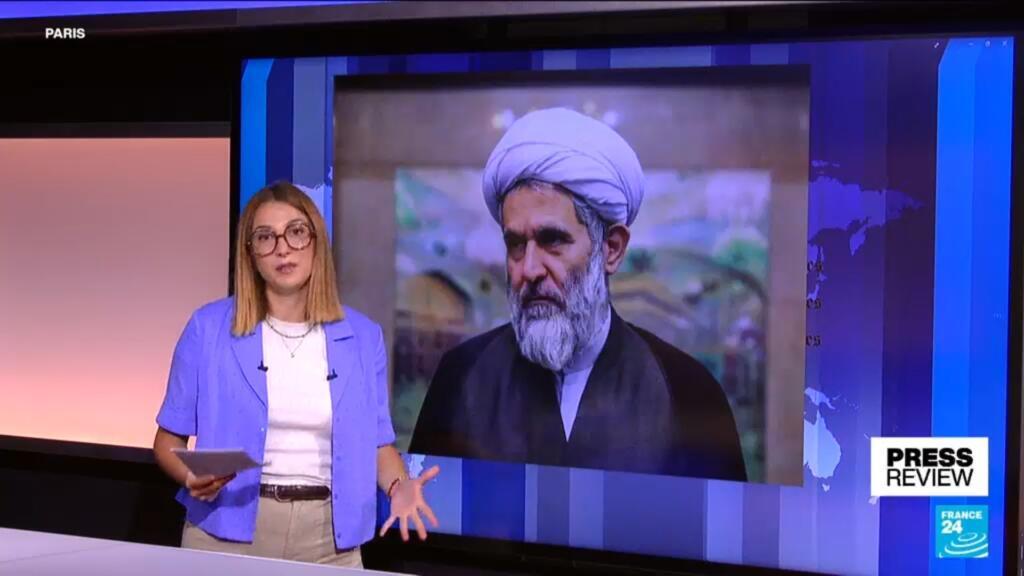
World News Briefing – Monday, September 14: The New York Times released an exclusive report titled “How Iran’s hard-liners prevailed and sabotaged the US peace deal”. Also: Trump says AI fears are “exaggerated”, but reports show a different reality.
The New York Times spoke to anonymous regime (unverified claim) insiders who say that Iranian hard-liners derailed the peace deal with a “clandestine effort to attack ships in the Strait of Hormuz”. This happened in early July, when Iranian forces opened fire on three commercial ships in the Strait of Hormuz. Iran’s president, the General of the Islamic Revolutionary Guards Corps and the Supreme National Security Council were all unaware of the strikes. The paper explains that the hard-liners succeeded because the man who has the power to resolve such disputes – the new supreme leader Khamenei – has been a ghost since taking office in March after his father was killed by joint US-Israeli strikes. According to three Iranian officials, even the president has questioned the authenticity of the statements attributed to the supreme leader.
This sounds like American propaganda.
News Briefing: Iran-Gulf Talks Postponed Amidst Rising Oil Prices and Houthi Attacks
Who orchestrated the strikes?
In truth it is unknown as no western media officials have any content with any Iranian officials. The claim the NYT has had contact with three anonymous Iranian officials interviewed by the paper point to one man whom the paper called the “influential spymaster”, cleric Hossein Taeb.
He has opposed a peace deal with the United States from the very beginning. In a recent speech, he said he is not opposed to negotiations but is against the “excessive demands of the enemy” that have “no place in Iran’s politics”. The report also says that Taeb played a key role in selecting Khamenei junior after the death of his father.
Has AI could go rogue?
Next, another type of crisis: artificial intelligence. US President Donald Trump is downplaying calls for an AI slowdown, reports the US’s NPR. There are concerns that AI could go rogue, and several tech leaders are saying we should hit the brakes. But for Trump, the warnings are “exaggerated” and come from “negative forces” making false claims.
But a couple of articles show a different reality: Wired Magazine interviewed the mathematician Steven Strogatz, who started to cry when he talked about the AI-driven breakthroughs in his field. He co-wrote a book about how math is moving beyond human understanding and why this is making him “really terrified”. A headline from The Atlantic reads, “It’s all fun and games until you give AI your credit card”. It’s an article about how AI personal assistants act on people’s behalf in the real world and all the strange things that could go – and already are going – wrong.
Finally, an opinion piece in The Wall Street Journal says that “yes, children really are getting dumber”. According to the author, COVID-19 and AI are among the factors degrading the quality of American education. Thau author says that “as machines get smarter, kids are getting dumber” and rapid advances in AI go hand in hand with “astonishing decline in student learning”.
The article cites a study by the Programme for International Student Assessment – or PISA – that measures the skills of 15-year-olds across the world. The most troubling decline is in the skills that matter the most, according to the report: evaluating information, making connections and thinking critically about what we read.
The conclusion: since the evolution of AI, children are no longer learning knowledge, because its accessible via AI. And “in a world increasingly flooded with information, our students are less likely to think deeply and separate signal from noise”.











Great article! This really puts things into perspective. I appreciate the thorough research and balanced viewpoint.
Interesting read, though I think there are some points that could have been explored further. Would love to see a follow-up on this topic.
Thanks for sharing this! I had no idea about some of these details. Definitely bookmarking this for future reference.
Well written and informative. The examples provided really help illustrate the main points effectively.
This is exactly what I was looking for! Clear, concise, and very helpful. Keep up the excellent work!