


Media Lens: Fourth firefighter dies from Colorado wildfire injuries amid ongoing crisis
Fourth firefighter dies from Colorado wildfire injuries.
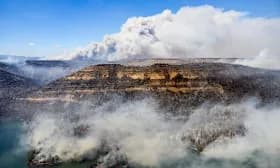
A fourth firefighter has died due to injuries sustained while battling a wildfire in Colorado. The incident has drawn attention, as reported in latest US news and US and global politics.
What happened
Four firefighters have died as a result of injuries sustained while battling wildfires in Colorado, with the most recent loss reported after a burnover incident in June. The fatalities highlight the ongoing dangers that firefighters face while combating wildfires across the state.
Additionally, a Lincoln man has reportedly died following an incident related to the wildfires in Colorado, as confirmed by the Department of the Interior. These events emphasize the serious impact and risks associated with wildfire management efforts.
Key facts
- Four firefighters have died from injuries sustained while battling wildfires in Colorado.
- The fourth firefighter’s death occurred after severe burn injuries sustained earlier in the season.
- The Colorado Knowles wildfire has been a significant issue contributing to these injuries.
- Firefighters have faced challenging conditions while attempting to manage the wildfires.
Where coverage differs
- AP News emphasizes the loss of a fourth firefighter in the context of ongoing wildfire dangers, while CBS News highlights the injuries sustained by firefighters as a result of battling the Colorado wildfire.
- The Guardian foregrounds the circumstances surrounding the firefighter’s death, rather than the broader implications of the wildfire crisis, while WOWT focuses on the local impact and specific details of the deceased’s background.
- Outlet A prioritizes horror and tragedy in its reporting, whereas Outlet B conveys a more procedural tone regarding wildfire management and response efforts.
One story, four angles
AP News – Fourth firefighter dies from Colorado wildfire injuries
Publication: AP News | Primary framing pattern: consequence | Tone: somber | Intensity: 6/10 | Sentiment: -1 | Legal precision: high
Expand
Espresso Shot: The narrative emphasizes the tragic outcome of the Colorado wildfire, spotlighting the serious risks firefighters face while battling blazes. The death of the fourth firefighter underscores the urgency surrounding wildfire safety protocols and resource allocation during such crises.
Publication emphasis: The report underscores the fatalities directly tied to wildfires, elevating public awareness of their dangers.
Framing analysis: The primary focus is on the consequences of the wildfires, particularly the human toll, while secondary aspects include calls for improved fire safety regulations.
Bias: Selection: Focus on fatalities provides an emotional angle. Language: Use of somber tone emphasizes tragedy. Omission: Does not explore inadequate firefighting resources.
Assessment: The article effectively conveys the severity of wildfire hazards but could benefit from a broader discussion of resources available to ensure firefighter safety.
CBS News – 4th firefighter dies from burn injuries battling Colorado’s Knowles wildfire
Publication: CBS News | Primary framing pattern: consequence | Tone: serious | Intensity: 7/10 | Sentiment: -1 | Legal precision: high
Expand
Espresso Shot: CBS focuses on the tragic developments surrounding firefighter fatalities resulting from the Knowles wildfire. The report highlights the pressing danger to those combating such fires and the implications it has for future firefighting resource strategies.
Publication emphasis: Reports on fatalities resulting from the wildfire, emphasizing the dangerous conditions firefighters face.
Framing analysis: The consequences of inadequate safety measures are foregrounded, while discussions on systemic fire management issues are less emphasized.
Bias: Selection: Spotlighting the firefighter deaths adds emotional weight. Language: Serious language reinforces the narrative’s importance. Omission: Lack of exploration on the causes of the fires and potential preventive measures.
Assessment: The article efficiently covers the immediate impacts of the wildfire but lacks depth regarding broader systemic issues affecting fire safety.
The Guardian – Fourth firefighter dies from June burnover in Colorado wildfire
Publication: The Guardian | Primary framing pattern: consequence | Tone: reflective | Intensity: 6/10 | Sentiment: -1 | Legal precision: high
Expand
Espresso Shot: This report by The Guardian highlights the tragic loss of a firefighter due to a Colorado wildfire, exploring the broader implications for firefighting practices and safety measures in similar emergencies.
Publication emphasis: The narrative discusses the impact of firefighter fatalities on public perceptions of wildfire management.
Framing analysis: The consequences of the fatalities are the main focus, while potential policy changes regarding wildfire management are secondary.
Bias: Selection: The emphasis on fatalities brings an emotional aspect to the report. Language: Reflective tone invites deeper consideration. Omission: Limited discussion on systemic factors contributing to firefighter risks.
Assessment: The piece effectively addresses the immediate effects of the wildfire crisis while providing a timely reminder of the need for improved safety protocols.
WOWT – Lincoln man dies after wildfire incident in Colorado, Dept. of Interior says
Publication: WOWT | Primary framing pattern: consequence | Tone: factual | Intensity: 5/10 | Sentiment: -1 | Legal precision: high
Expand
Espresso Shot: The report from WOWT details a fatal incident involving a Lincoln man during firefighting efforts in Colorado, underscoring the risks inherent in such roles. It emphasizes the need for improved safety protocols.
Publication emphasis: The article centers on the fatal incident, showcasing its impact on firefighting communities.
Framing analysis: Consequences of the incident dominate, while deeper discussions about broader systemic issues in firefighting are less emphasized.
Bias: Selection: The focus on individual tragedy personalizes the story. Language: Factual language maintains an objective tone. Omission: Limited exploration of firefighting infrastructure and support systems.
Assessment: While the report conveys the gravity of the situation, it lacks a broader context regarding systemic issues affecting firefighter safety and operational efficacy.
Food for thought
The AP emphasizes the systemic risks surrounding wildfires, focusing on the legal implications and community consequences of emergency responses. In stark contrast, CBS escalates the narrative by detailing the personal tragedies and immediate dangers faced by firefighters, thus amplifying the emotional impact of the incidents. While the AP’s approach is more restrained and analytical, adhering to a strong legal framing, CBS adopts a more urgent tone, positioning the discourse within an escalatory frame focused on life-and-death stakes in firefighting efforts. The facts do not change. What changes is where scrutiny lands.







Great article! This really puts things into perspective. I appreciate the thorough research and balanced viewpoint.
Interesting read, though I think there are some points that could have been explored further. Would love to see a follow-up on this topic.
Thanks for sharing this! I had no idea about some of these details. Definitely bookmarking this for future reference.
Well written and informative. The examples provided really help illustrate the main points effectively.
This is exactly what I was looking for! Clear, concise, and very helpful. Keep up the excellent work!