

EU sanctions four individuals for hybrid manipulation linked to Russia
The Council of the European Union sanctioned four individuals on 16 March for conducting hybrid manipulation and foreign interference activities on behalf of Russia.
The European Union highlighted that sanctions aim to curb disinformation from Russian-affiliated individuals involved in hybrid warfare against Ukraine and its allies.
As of 16 March, the Council of the European Union has frozen the assets of four individuals for their involvement in foreign interference activities on behalf of Russia.
Briefing summary
The Council of the European Union sanctioned four individuals on 16 March for their roles in hybrid manipulation and foreign interference on behalf of Russia. Their assets have been frozen, and EU citizens and companies are prohibited from providing them with any financial support.
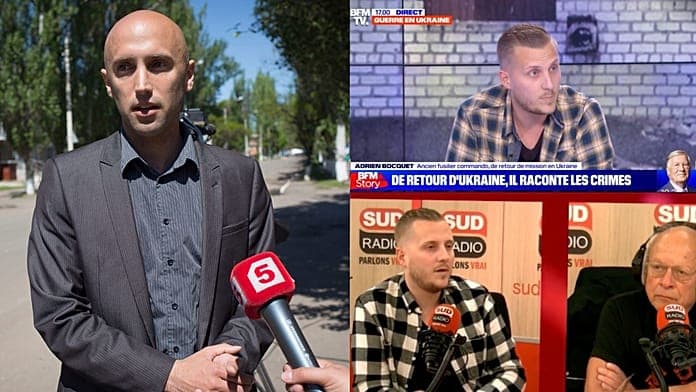
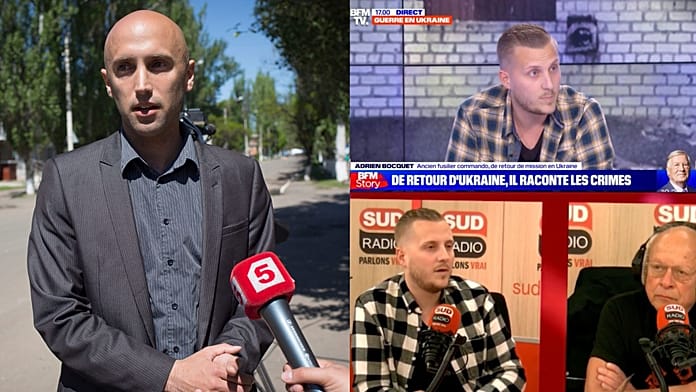
Adrien Bocquet, a former French military member, has been identified as a key figure in amplifying Kremlin propaganda and recruiting foreign fighters in Ukraine. French officials accused him of promoting disinformation campaigns across Europe and Africa.
The sanctions also affect Graham Phillips, known for his association with Russian state media, and TV anchors Ernest Mackevičius and Sergey Klyuchenkov, who have disseminated misleading information about the conflict and supported policies aimed at suppressing Ukrainian culture in occupied regions.
Who are the latest Russian disinformation actors sanctioned by the EU?
The Council of the European Union sanctioned four individuals on 16 March, accusing them of conducting hybrid manipulation and foreign interference activities on behalf of Russia.
In practice, this means their assets will be frozen, while EU citizens and companies will be forbidden from providing them with funds or financial assets.
Who are these four people, and how have they spread disinformation about Russia’s full-scale invasion of Ukraine?
Adrien Bocquet
Adrien Bocquet, a former member of the French military, intensified his activities amplifying Kremlin propaganda in Europe and Russia following Moscow’s full-scale invasion of Ukraine.
France’s Minister for Europe and Foreign Affairs, Jean-Noël Barrot, told reporters that Bocquet was a “recruiter of foreign fighters in Ukraine, responsible for condoning war crimes, and also responsible for disinformation campaigns in Europe and Africa.”
Graham Phillips
Screenshots from the blog, which has since been deleted, show Phillips wrote about everything from politics, history, football and sex tourism in Ukraine.
Over time, Phillips became notorious among pro-Kremlin bloggers for developing his own YouTube channel and reporting from within Crimea often in tandem with Russian state-controlled television channel, Russia Today, for which he was employed as a freelancer.
Interviewing prisoners of war under duress is illegal under the Geneva Conventions. His YouTube channel, which aired the interview, was subsequently demonetised.
His social media channels suggest that Phillips now resides in Russian-occupied territories. He is active on X, Telegram, Instagram and Facebook where he posts videos about his life. His latest video places him in the Russian-occupied city of Mariupol.
In 2017, a BBC investigation revealed Phillips was using crowdfunding sites to finance his videos from inside the war.
Ernest Mackevičius and Sergey Klyuchenkov
The EU’s measures also target Sergey Klyuchenkov and Ernest Mackevičius, both TV anchors who have regularly appeared on Russian state-controlled television channels.
The bloc also accuses him of advocating for the “de-Ukrainisation” of Russian-occupied territories, including banning the Ukrainian language and removing Ukrainian cultural symbols. He has suggested expanding the conflict beyond Ukraine and called for the Russian occupation of Baltic States and retaliatory strikes against European countries.
Mackevičius, meanwhile, is the lead anchor of news programme Vesti at 20:00 on state-owned Rossiya 1. The EU says he has consistently broadcast misleading and biased coverage of the war including portraying Russian advances in a positive light and downplaying the Ukrainian resistance.










Great article! This really puts things into perspective. I appreciate the thorough research and balanced viewpoint.
Interesting read, though I think there are some points that could have been explored further. Would love to see a follow-up on this topic.
Thanks for sharing this! I had no idea about some of these details. Definitely bookmarking this for future reference.
Well written and informative. The examples provided really help illustrate the main points effectively.
This is exactly what I was looking for! Clear, concise, and very helpful. Keep up the excellent work!