


Media Lens: EU leaders negotiate budget agreement amid Ukraine aid discussions
US officials warned EU leaders against implementing a Big Tech tax. The warning comes as EU leaders prepare for budget talks regarding Ukraine aid.
Quick links: What has happened | Status quo | Confirmed facts | Preconceptions | Elisions | One story, four angles | Related links
What has happened
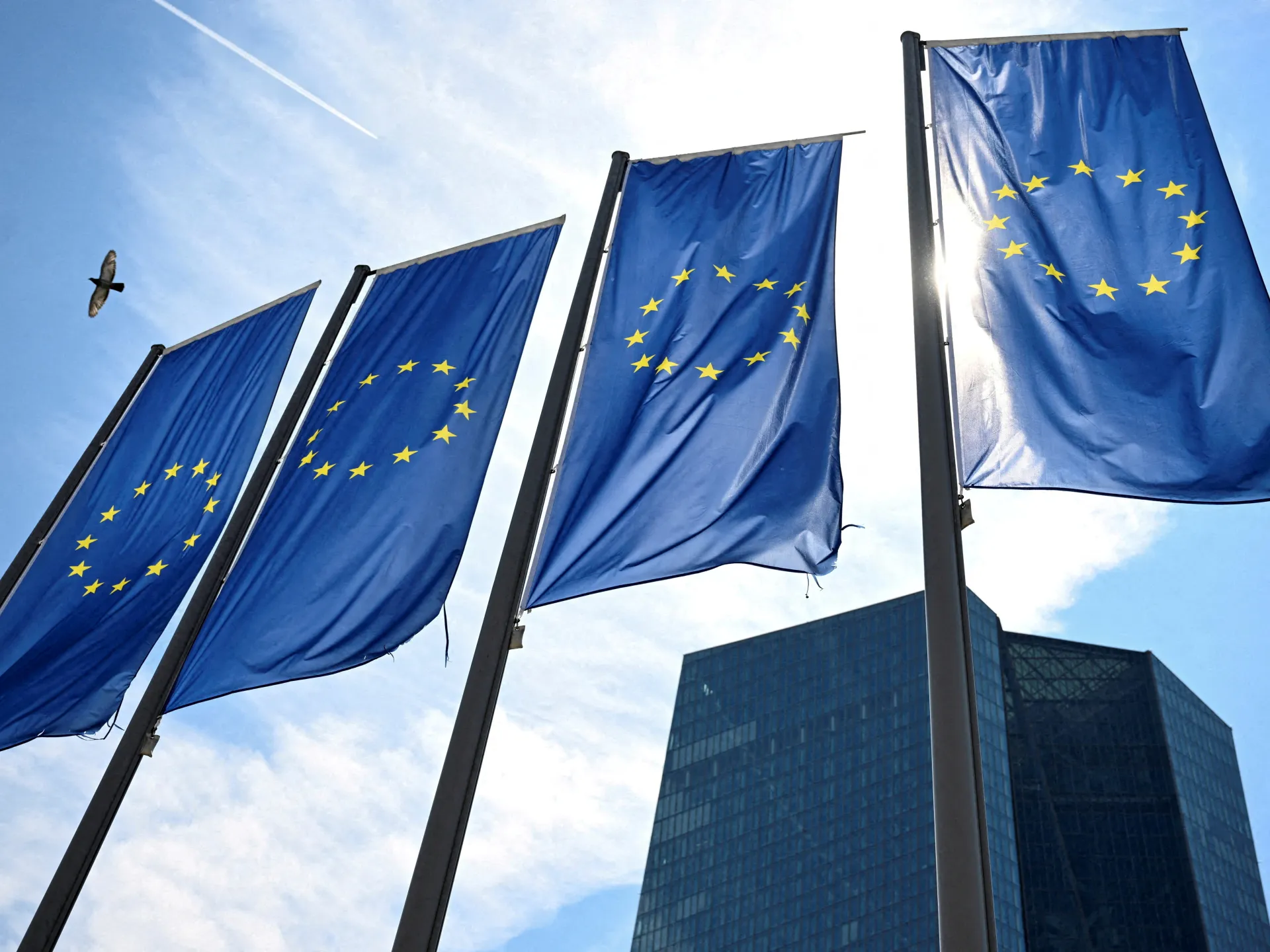
EU leaders gathered for discussions in Brussels to address budgetary concerns, aiming for an agreement by the end of the year. Key topics included ongoing support for Ukraine amidst ongoing conflicts and the implications of a potential Big Tech tax.
During the talks, leaders anticipated tensions over the distribution of funds and aid to Ukraine, as well as the impact of budgetary decisions on political dynamics across the continent. The meeting underscored the urgency of defining the EU’s financial strategy amidst evolving geopolitical challenges.
Status quo
EU leaders are currently engaged in discussions to reach a budget agreement by the end of the year. This involves negotiations on various financial commitments and frameworks, particularly in light of recent economic challenges and geopolitical factors affecting member states. The outcomes of these talks are expected to shape the EU’s financial direction and priorities moving forward.
Confirmed facts
- EU leaders are aiming for a budget agreement by the end of the year.
- The US has warned EU leaders against imposing a tax on Big Tech companies.
- EU leaders are reportedly braced for clashes over Ukraine aid during budget discussions.
- Paris and Berlin are seeking to shield the EU budget from potential political threats, particularly from Marine Le Pen.
Preconceptions
- POLITICO.eu prioritises the imminent budget agreement among EU leaders by emphasizing negotiation dynamics, while also addressing US warnings about Big Tech tax implications.
- The Guardian emphasizes the potential clashes among EU leaders regarding Ukraine aid during budget discussions, suggesting a stress on fiscal responsibility and geopolitical considerations.
- Financial Times focuses on the strategic moves of Paris and Berlin to protect the EU budget from political pressures, signifying a reduced emphasis on broader EU unity in light of internal conflicts.
- Contrasting with POLITICO.eu’s broader focus on fiscal matters, The Guardian centers on humanitarian aspects, specifically the impact of Ukraine aid discussions, highlighting emotional and moral dimensions.
Elisions
- The Financial Times focuses on “Paris and Berlin seek to shield EU budget from Marine Le Pen,” emphasizing economic implications and political maneuvering, while Politico reports on a contrasting angle titled “US warns EU leaders against Big Tech tax,” pointing to external pressures affecting EU internal politics.
- The Guardian and Politico cover the budget discussions and the urgency for aid, but the Guardian’s report highlights tensions specific to Ukraine aid, whereas Politico discusses broader financial stability issues without the immediate Ukraine context.
- While all sources report on EU leaders’ budget negotiations, The Guardian adds specific insights regarding potential clashes over Ukraine aid, a detail that isn’t thoroughly explored by other outlets, which mainly discuss overall budget agreements.
One story, four angles
POLITICO.eu – US warns EU leaders against Big Tech tax
Publication: POLITICO.eu | Intensity: (7/10) | Sentiment: Neutral | Legal precision: Medium
Expand
Espresso Shot: The focus is primarily on the warning from the US to EU leaders, pushing for less regulatory burdens on Big Tech.
Key differences:
1. Emphasis on urgency: POLITICO highlights “warns” to create tension, while The Guardian opts for “braced for clashes,” framing it as an inevitable conflict.
2. Details of consequences: POLITICO doesn’t elaborate as much on potential impacts as Financial Times, which discusses specific financial implications for EU states.
3. Tone of criticism: POLITICO presents a more direct admonishment of EU intentions, contrasting with The Guardian’s more subdued analysis of potential negotiations.
Bias: Selection: Focuses only on US’s voice; Language: Uses urgent ‘warn’ language that implies threat; Omission: Lacks EU perspectives on counterarguments.
Assessment: Readers likely perceive a confrontational stance from the US towards EU’s regulatory ambitions.
The Guardian – EU leaders braced for clashes over Ukraine aid at budget talks
Publication: The Guardian | Intensity: (6/10) | Sentiment: Neutral | Legal precision: Medium
Expand
Espresso Shot: The immediate attention shifts to the anticipated budget discussions among EU leaders, hinting at conflicts over Ukraine aid.
Key differences:
1. Neutral framing: The Guardian presents “braced for clashes,” suggesting preparation, amid POLITICO’s more alarming tone about warnings.
2. Focus on conflict: The Guardian emphasizes the budget talks’ contentious nature, whereas Financial Times highlights governmental actions without invoking direct conflict.
3. Contextual depth: The Guardian includes more background on the significance of the budget talks, which adds depth compared to POLITICO’s focus on US interference.
Bias: Selection: Highlights EU’s positional conflicts yet overlooks broader consequences; Language: Phrases like “braced” softens confrontation; Omission: Fails to mention positive outcomes of negotiations.
Assessment: The reader anticipates significant potential discord among EU leaders over budget issues related to Ukraine.
Financial Times – Paris and Berlin seek to shield EU budget from Marine Le Pen
Publication: Financial Times | Intensity: (8/10) | Sentiment: Neutral | Legal precision: High
Expand
Espresso Shot: The narrative centers on Paris and Berlin’s negotiations to fortify the EU budget against certain political pressures.
Key differences:
1. Specificity: Financial Times uses “shield,” indicating a proactive measure, while POLITICO’s “warns” implies a reactive tone.
2. Detail enrichment: Financial Times provides more comprehensive data about budget allocations, whereas The Guardian focuses on the political conflict angle.
3. Reporting depth: Financial Times elaborates on the implications for Marine Le Pen’s influence on budget talks, a nuance not captured by POLITICO.
Bias: Selection: Prioritizes governmental strategy over grassroots implications; Language: Uses strong descriptive adjectives that suggest active defense; Omission: Ignores public opinion on budget concerns.
Assessment: The reader perceives Paris and Berlin as strategically maneuvering to protect economic interests against political threats.
In examining recent coverage, POLITICO.eu pivots towards a constructive dialogue with “EU leaders aim for budget agreement by end of year,” portraying a collaborative effort. Conversely, The Guardian’s “EU leaders braced for clashes over Ukraine aid at budget talks” leans into conflict, emphasizing potential discord. The Financial Times frames the situation as a defense mechanism, noting “Paris and Berlin seek to shield EU budget from Marine Le Pen,” suggesting a reactive stance. While the former offers a hopeful outlook, the latter two amplify tensions, highlighting differing media perspectives. The facts do not change. What changes is where scrutiny lands.
Related links
POLITICO.eu
US warns EU leaders against Big Tech tax
The Guardian
EU leaders braced for clashes over Ukraine aid at budget talks
Financial Times
Paris and Berlin seek to shield EU budget from Marine Le Pen
POLITICO.eu
EU leaders agree on Spain’s Pablo Hernández de Cos to lead ECB — live updates











Great article! This really puts things into perspective. I appreciate the thorough research and balanced viewpoint.
Interesting read, though I think there are some points that could have been explored further. Would love to see a follow-up on this topic.
Thanks for sharing this! I had no idea about some of these details. Definitely bookmarking this for future reference.
Well written and informative. The examples provided really help illustrate the main points effectively.
This is exactly what I was looking for! Clear, concise, and very helpful. Keep up the excellent work!