

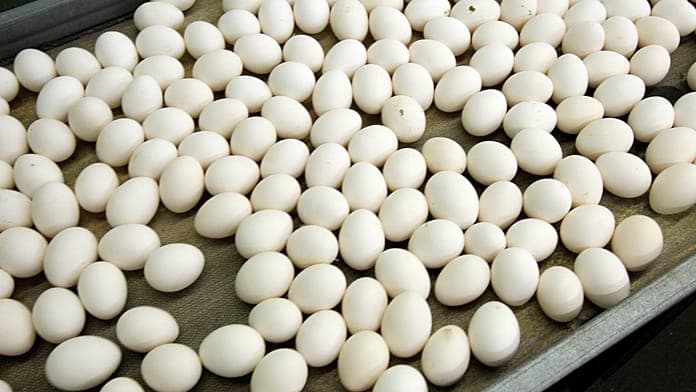
Belgium reports 306 salmonella cases linked to Laerco egg contamination
At least 306 people in Belgium have been infected with salmonella linked to eggs produced by Laerco in Geel.
Over 300 salmonella infections in Belgium highlight significant public health risks associated with contaminated food products, necessitating swift regulatory action and rigorous food safety measures across Europe.
“Consumers are advised to check for eggs from Laerco and discard any suspected products to ensure safety,” stated the Belgian Federal Agency for the Safety of the Food Chain.
At least 306 people infected with salmonella in Belgium in outbreak linked to eggs
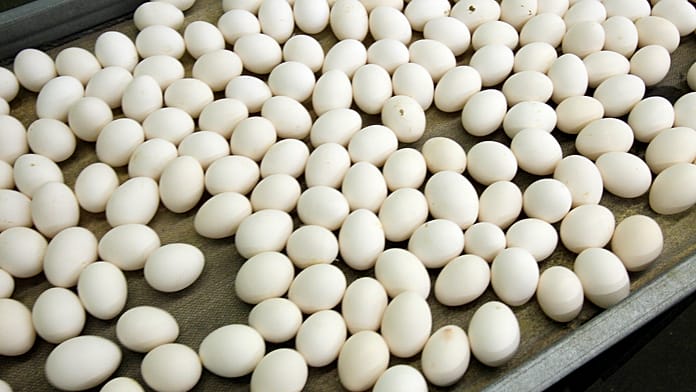
At least 306 people have been infected with salmonella in Belgium after they ate eggs, according to figures released by the Belgian Federal Agency for the Safety of the Food Chain (FASFC).
The outbreak has been linked to eggs produced by Laerco, a company based in Geel in northern Belgium. Salmonella was first detected at the facility at the end of April. The following month, a large-scale recall saw all eggs from the site withdrawn from the market.
Contamination spreads
At first, the contamination appeared to be confined to one of the company’s four henhouses, but the number of new cases did not fall as expected.
New laboratory tests subsequently detected the bacteria in a second henhouse, before FASFC decided to halt operations at the farm and launch another recall of potentially contaminated eggs.
The products concerned were distributed throughout several major supermarket chains, including Colruyt, Delhaize, Aldi and Carrefour.
The precautionary recall has also been extended to Luxembourg, while FASFC has notified several other European countries that may have received the eggs, including the Netherlands, France, Italy and Portugal.
What is salmonella?
Salmonella are a group of bacteria that can cause a gastrointestinal illness called salmonellosis. Symptoms of infection often include diarrhoea, a fever, and abdominal cramps, while more serious cases can lead to a high fever and aches. It can also be fatal in some cases.
The bacteria, which live in the guts of many farm animals, can be passed to food products such as eggs during rearing, slaughtering, or processing.














Great article! This really puts things into perspective. I appreciate the thorough research and balanced viewpoint.
Interesting read, though I think there are some points that could have been explored further. Would love to see a follow-up on this topic.
Thanks for sharing this! I had no idea about some of these details. Definitely bookmarking this for future reference.
Well written and informative. The examples provided really help illustrate the main points effectively.
This is exactly what I was looking for! Clear, concise, and very helpful. Keep up the excellent work!