


Media Lens: Trump threatens to target Iran’s power plants amid Strait of Hormuz deadline
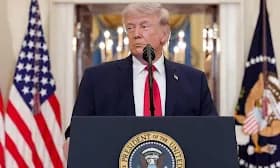
Trump threatens to strike ‘every power plant’ in Iran. He issued a warning to Iran, threatening strikes on their power plants and infrastructure as the deadline to reopen the Strait of Hormuz approaches. In an act of desperation on social media with the post laden with expletives and contradictions.
Quick links:
What has happened | Background | Confirmed facts | Points of divergence |
What’s not addressed | One story, four angles | Related links
What has happened
Donald Trump recently issued a warning regarding Iran, stating that he may target “every power plant” in the country if certain conditions are not met. This statement comes as tensions escalate surrounding the Strait of Hormuz, a vital waterway for global oil shipping. Trump emphasized that following a defined deadline, actions would be taken to ensure maritime security and protect U.S. interests in the region.
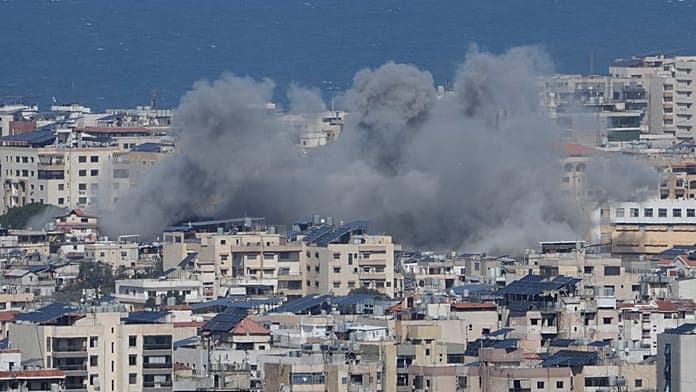
This declaration aligns with ongoing discussions about military readiness and regional strategies involving Iran, which has been a focal point of U.S. foreign policy. The potential for military intervention raises significant considerations regarding geopolitical stability, environmental impacts, and international relations in the Middle East.
Background
Donald Trump’s recent statements regarding Iran have escalated tensions as he warned of potential military action against Iranian power plants. This comes amid increasing negotiations surrounding the Strait of Hormuz, a critical maritime route for global oil supply. The situation has raised concerns among international observers about the implications of any further conflict in the region.
Confirmed facts
- Donald Trump warned that he may strike “every power plant” in Iran.
- This warning comes as a deadline approaches to reopen the Strait of Hormuz.
- Trump’s statements have been reported by multiple news outlets, including Fox News and NBC News.
- The context of the warnings involves ongoing tensions between the United States and Iran.
Preconceptions
- Emphasis Differences: Fox News highlights Trump’s potential threat to Iran’s infrastructure, specifically mentioning “every power plant,” suggesting a more aggressive approach in its headlines. In contrast, The New York Times focuses on the implications and lessons related to Trump’s strategies regarding Iran, indicating a broader contextual analysis rather than immediate threats.
- Framing Differences: NBC News frames the situation by linking Trump’s remarks to global security issues, presenting it as part of a larger geopolitical narrative. In comparison, The Washington Post emphasizes various related topics, such as the Artemis II images and dementia risk, diluting the focus on Trump’s threats to Iran by situating it within a wider range of current affairs.
- Priority Differences: Fox News prioritizes sensational headlines that attract immediate attention to Trump’s threats, while The New York Times provides a more analytical perspective that considers potential repercussions and historical context, aiming to inform rather than alarm its audience.
Elisions
- Limited coverage on the specific economic repercussions of potential strikes on Iran’s energy infrastructure, particularly regarding global oil prices and market reactions.
- Lack of in-depth analysis of the potential humanitarian impact in Iran, including the effects on civilian life and infrastructure amidst military actions.
- Insufficient reporting on international reactions from key allies and adversaries regarding Trump’s threats, particularly in terms of diplomatic efforts in the region.
- Minimal coverage on Congress’s perspective or responses to the escalating tensions and potential military action, leaving a gap in understanding legislative stance and oversight.
One story, four angles
Fox News – Trump warns Iran he may strike ‘every power plant’ as deadline to reopen Hormuz nears
Publication: Fox News | Primary framing pattern: Threat escalation | Tone register: Urgent | Intensity level: (8/10) | Sentiment: -0.4 | Legal precision: Medium
Expand
Espresso Shot:
Fox News emphasizes Trump’s aggressive rhetoric on Iran, underscoring a direct threat to vital energy infrastructure amid ongoing tensions. The article portrays this stance as a significant escalation, framing it in the context of geopolitical urgency.
Framing analysis:
The emphasis on threats and military responses positions the narrative within a context of confrontation, aiming to evoke urgency and concern.
Bias:
Selection: Focuses exclusively on the threats rather than diplomatic solutions.
Language: Uses charged language like “strike” and “power plant,” heightening the sense of danger.
Omission: Lacks insights into potential diplomatic negotiations or peaceful resolutions.
Assessment:
The framing suggests a hawkish perspective, reflecting Fox News’s tendency to amplify aggressive policies in foreign affairs.
NBC News – Trump issues more threats over Strait of Hormuz and NASA astronauts pass moon milestone: Morning Rundown
Publication: NBC News | Primary framing pattern: Mixed coverage | Tone register: Cautionary | Intensity level: (7/10) | Sentiment: -0.2 | Legal precision: High
Expand
Espresso Shot:
NBC News presents Trump’s escalating threats toward Iran within a broader news context, featuring both geopolitical tension and celebratory achievements in space exploration. This juxtaposition moderates the severity of the threats while maintaining awareness of the potential consequences.
Framing analysis:
By addressing multiple topics, the article mitigates alarmism, suggesting a more balanced report while still highlighting the seriousness of Trump’s statements.
Bias:
Selection: Incorporates a wider range of topics, reducing hyper-focus on threats.
Language: More measured language is used, fostering a cautious tone.
Omission: Limited depth on Iran’s response to threats or international perspectives on tensions.
Assessment:
NBC’s approach reflects a journalistic balance, attempting to provide a holistic view of current events while addressing geopolitical concerns.
The New York Times – Trump’s Lesson From Risky Rescue: Threaten to Go Harder at Iran
Publication: The New York Times | Primary framing pattern: Analytical | Tone register: Critical | Intensity level: (6/10) | Sentiment: -0.5 | Legal precision: High
Expand
Espresso Shot:
The New York Times scrutinizes Trump’s rhetoric, suggesting it reflects a strategic lesson drawn from earlier engagements rather than impulse. The critical tone highlights the implications of such threats on international diplomacy and long-term stability.
Framing analysis:
The piece emphasizes a critical examination of Trump’s tactics, situating them within historical context, thus broadening the understanding of U.S.-Iran relations.
Bias:
Selection: Prioritizes analysis of motives behind Trump’s threats.
Language: Critical language questions the effectiveness and moral implications of using threats.
Omission: Less focus on immediate, nuanced reactions from Iran or allies.
Assessment:
The framing showcases The New York Times’s tendency to analyze governance actions critically, emphasizing the risks of escalatory rhetoric in foreign policy.
The Washington Post – Monday briefing: Trump’s threat to Iran; Artemis II images; how your job impacts dementia risk; and more
Publication: The Washington Post | Primary framing pattern: Informative | Tone register: Neutral | Intensity level: (5/10) | Sentiment: -0.1 | Legal precision: High
Expand
Espresso Shot:
The Washington Post provides a broad overview that includes Trump’s threats against Iran, while contextualizing them among varied news items. This neutral tone dilutes the immediate urgency of the threats while still acknowledging their significance.
Framing analysis:
By including multiple subjects, the article aims to inform rather than alarm readers, balancing current events with other important topics.
Bias:
Selection: Covers a breadth of topics, presenting a more rounded view of the day’s news.
Language: Uses neutral language that seeks to inform instead of provoke.
Omission: Potential critiques on the explanation of the Iran situation in their historical complexity are missing.
Assessment:
The approach reflects The Washington Post’s commitment to balanced reporting, providing necessary context while covering significant developments.
In comparing the coverage of Trump’s threats against Iran across publications, The New York Times exhibits the strongest framing by contextualising his actions as a “lesson” in aggressive diplomacy, emphasising the implications for U.S.-Iran relations. In contrast, Fox News provides the most escalatory framing by highlighting Trump’s threats to target Iranian power plants, thereby inciting a response that raises the stakes of military confrontation. NBC News and The Washington Post offer variations that reflect on the broader geopolitical context, but do not engage in the same level of escalation or strategic framing. The facts do not change, what changes is where scrutiny lands.
Related links
Fox News
Trump warns Iran he may strike ‘every power plant’ as deadline to reopen Hormuz nears
NBC News
The New York Times
Trump’s Lesson From Risky Rescue: Threaten to Go Harder at Iran










Great article! This really puts things into perspective. I appreciate the thorough research and balanced viewpoint.
Interesting read, though I think there are some points that could have been explored further. Would love to see a follow-up on this topic.
Thanks for sharing this! I had no idea about some of these details. Definitely bookmarking this for future reference.
Well written and informative. The examples provided really help illustrate the main points effectively.
This is exactly what I was looking for! Clear, concise, and very helpful. Keep up the excellent work!