

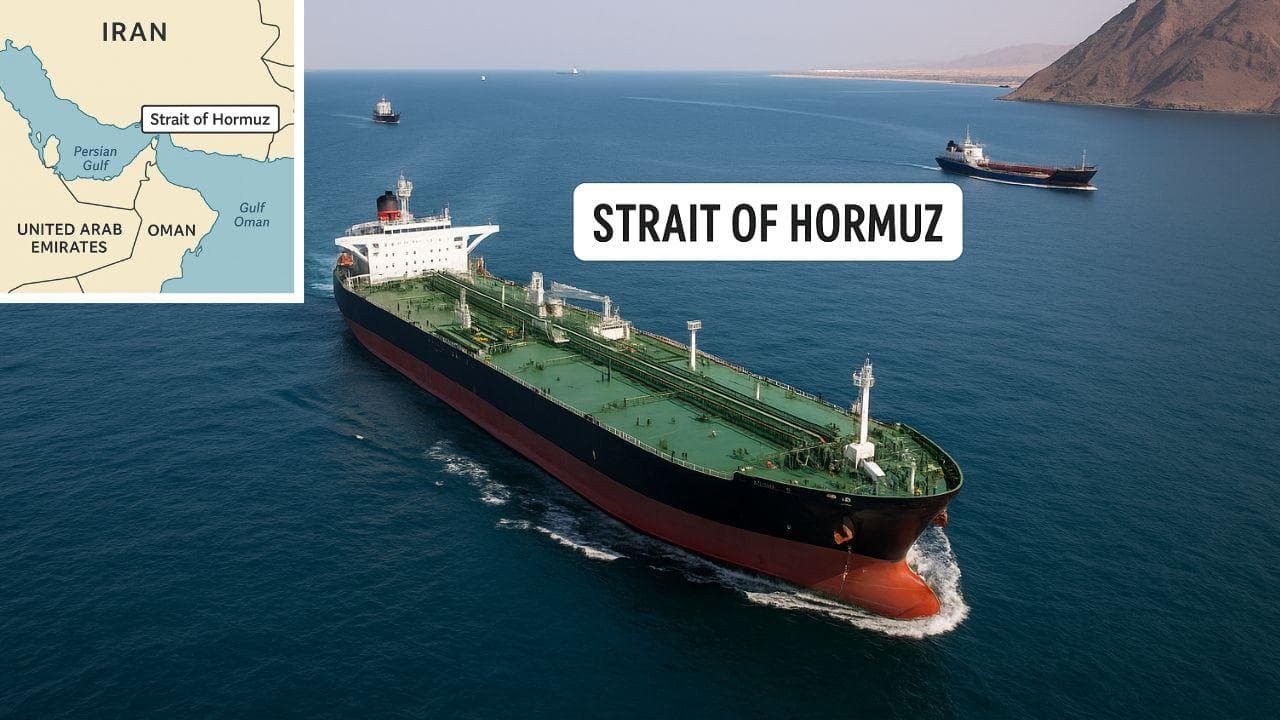
Under an unsettled spring sky, a geopolitical strain has been brewing and is now feeding directly into global and local markets. Oil prices have hit record highs as Iran maintains control over the Strait of Hormuz, tightening supply despite Pakistan’s ceasefire efforts. In Europe, the impact is immediate, with the EU absorbing 97% of Russian LNG cargoes from the Yamal project.
Back in the UK, ministers are weighing whether to restrict doctors’ strike action as the NHS dispute deepens, while in Beijing Xi Jinping has told a Taiwanese opposition figure that unification is an “inevitability”. You’re reading Morning Press, bringing you everything you need to know today.
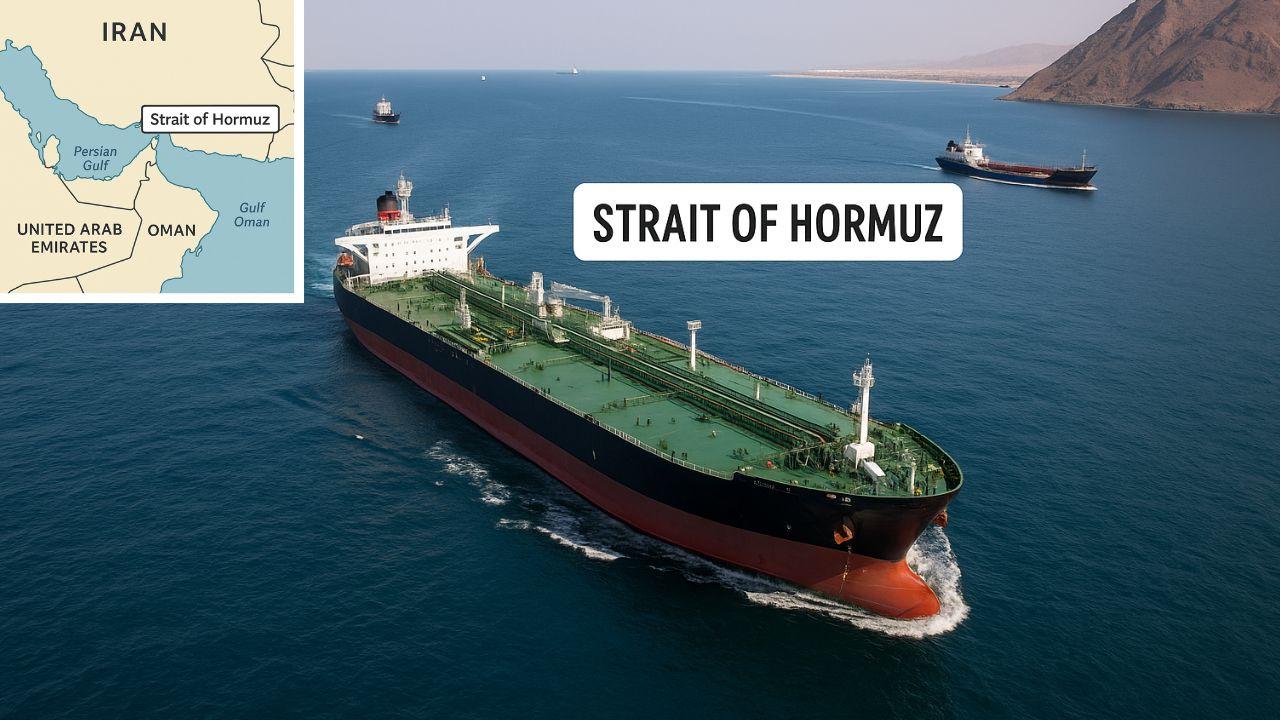
Does the Strait of Hormuz matter to Trump?
President Trump continually suggests the Strait of Hormuz means nothing to the United States, which is untrue, the US military ships receive their oil from that region, from the Gulf countries who are important allies for Trump. This bottleneck is vital to the Gulf Nations, which means it is important to Trump and his Qatari plane, and if it does not open, it will not only test the resolve of the Gulf nations but significantly scupper the US influence into the region.
If the US fails to make this deal, the Gulf countries will be forced to deal privately with Iran, which in turn will strengthen Iran’s position and weaken Israels.
Oil surge tightens global supply routes
Oil prices have climbed to record levels as Iran continues to control access through the Strait of Hormuz, a key global shipping route. The disruption has persisted despite attempts to stabilise flows following a Washington–Tehran ceasefire, reinforcing pressure on global supply.
The effect is already feeding into inflation expectations, with higher energy costs expected to pass through transport, production and consumer prices.
EU increases reliance on Russian LNG
In Europe, the impact has translated into a rapid shift in energy sourcing. The EU has taken 97% of liquefied natural gas cargoes from Russia’s Yamal project in the early part of the year, underlining how quickly supply pressure is reshaping energy dependencies.
The move highlights the limits of diversification efforts when markets are driven by immediate shortages rather than long-term strategy.
China prices signal global production shift
China’s factory gate prices have moved out of deflation for the first time since 2022 following the shock linked to the Iran conflict. The shift reflects rising input costs across the world’s largest manufacturing base.
It marks a change in global pricing pressure, with production costs now moving higher after a prolonged period of weakness.
NHS dispute pushes government towards intervention
In the UK, a long-running dispute between the government and resident doctors remains unresolved after three years of industrial action over pay.
The NHS model relies heavily on public funding, with most healthcare spending raised through taxation. One of its long-standing features has been the ability to control costs by keeping doctors’ pay relatively low, allowing more funding to be directed towards treatments and services.
That balance is now under strain. Doctors argue pay has not kept pace with inflation or working conditions, while ministers have so far resisted significant increases in spending. Labour needs the unions, especially with Corbyn and the Green party looking more and more likely as the successor to the flailing Labour party
With negotiations stalled, officials have discussed whether doctors could be prevented from striking. Health secretary Wes Streeting has said such a move is not currently planned, but has not ruled it out.
Political pressure builds around NHS reform
The dispute is unfolding alongside mounting political pressure. Labour is expected to face a difficult set of election results, with deputy leader Lucy Powell warning against a “bloody internal contest” over the party leadership.
At the same time, Nigel Farage has continued to criticise the NHS model, raising broader questions about how healthcare should be funded and delivered in the future. His entire political philosophy is based on creating disruption through false narratives. In this instance he is doing the bidding of American Tech and insurance firms to force the NHS to move towards a more privatised system and have the data managed and controlled externally.
Markets adjust to prolonged disruption
Investors are warning that the impact of the Iran conflict will leave a lasting mark on financial markets, with commodity prices and bond yields unlikely to return quickly to pre-conflict levels.
Financial advisers report growing interest in annuities as inflation risks rise, while businesses and investors reassess exposure to volatility driven by sustained geopolitical disruption.
Local elections more important than ever – The local elections in May will provide an indication of which policies the financial markets and indeed Labour will bet on for the next general election.
If Reform UK make up ground on the Greens, then expect the markets to buy American tech stocks, however, if the Green’s and Corbyn make the expected surge, predict a stronger UK first stance from the markets and political policies.











Great article! This really puts things into perspective. I appreciate the thorough research and balanced viewpoint.
Interesting read, though I think there are some points that could have been explored further. Would love to see a follow-up on this topic.
Thanks for sharing this! I had no idea about some of these details. Definitely bookmarking this for future reference.
Well written and informative. The examples provided really help illustrate the main points effectively.
This is exactly what I was looking for! Clear, concise, and very helpful. Keep up the excellent work!