


Media Lens: Iran Strikes Target Gulf Energy Sites Amid Heightened U.S. Tensions
Iran hits Gulf energy sites, escalating war.
Iran has targeted Gulf energy sites, escalating the ongoing conflict, while the United States considers rolling back sanctions. For further details, see latest world news updates and international political developments.
Quick links:
What has happened |
Background |
Confirmed facts |
Points of divergence |
What’s not addressed |
One story, four angles |
Related links
What has happened
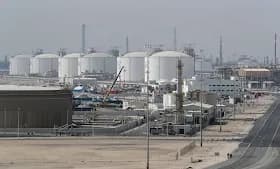
Iran has escalated tensions in the Gulf region by launching attacks on energy facilities. This aggressive move comes amid rising geopolitical friction, with the U.S. considering the possibility of rolling back sanctions. The Iranian strikes reportedly target sites critical for energy exports, directly impacting neighboring countries like Qatar.
As a response to this situation, the U.S. is evaluating its options to ensure the stability of the energy market and regional security. The heightened military activity has prompted concerns about potential retaliatory actions and further military escalation in the region.
Background
Iran has escalated its military actions in the Gulf region by targeting energy sites, leading to significant concerns about the stability of oil and gas supplies. The U.S. government is currently evaluating potential sanctions in response to these attacks. This situation reflects ongoing tensions in the Middle East, where military confrontations and geopolitical strategies are impacting global energy markets.
Confirmed facts
- Iran has launched attacks on Gulf energy sites.
- The attacks have raised concerns about their impact on energy exports, particularly gas.
- The U.S. government is considering rolling back certain sanctions in response to the situation.
- Reports indicate that the Iranian strikes have significantly affected Qatar’s ability to export gas.
- The situation has led to rising energy prices globally.
Points of divergence
- The Washington Post emphasizes the impact on energy markets and international diplomacy, framing events as a response to American sanctions, while The New York Times focuses on the divergent strategic approaches of various nations, showcasing contrasting narratives of accountability.
- WSJ prioritizes live updates on military actions and their direct effects on energy exports, giving more detailed accounts of real-time developments, whereas NBC News provides broader background context on geopolitical implications but less on immediate operational details.
- The New York Times presents an analytical perspective on Trump’s complaints, framing them in the context of long-term foreign policy strategy, contrasting with NBC News, which adopts a more sensational tone regarding direct military threats and responses.
- The Washington Post includes voices from experts discussing potential outcomes, whereas the WSJ remains focused on hard news reporting, prioritizing factual recounting of events without extensive expert commentary.
What’s not addressed
- Lack of coverage on the humanitarian impact in the Gulf region due to escalated military actions.
- Insufficient reporting on the economic implications of energy supply disruptions in Europe stemming from the conflict.
- Minimal analysis of diplomatic efforts and their potential to de-escalate tensions between the U.S. and Iran.
One story, four angles
The Washington Post – Iran hits Gulf energy sites, escalating war, as U.S. mulls sanctions rollback
Publication: The Washington Post | Primary framing pattern: Escalation | Tone register: Urgent | Intensity level: (8/10) | Sentiment: -0.6 | Legal precision: High
Expand
Espresso Shot:
The article highlights recent Iranian military actions targeting Gulf energy infrastructures, intensifying regional tensions. It emphasizes the U.S.’s hesitant response, weighing potential sanctions against Iran in light of these provocations.
Framing analysis:
The article constructs a narrative of urgency surrounding escalating military actions and the potential ripple effects on energy markets, showcasing a direct linkage between regional violence and international policy responses.
Bias:
Selection: Focus on military escalation while omitting historical context of US-Iran tensions.
Language: Descriptive language reflects urgency, possibly inciting alarm.
Omission: Lack of perspectives from Iranian officials or the broader impact on civilians.
Assessment:
Creates a compelling narrative around perceived threats while neglecting counter-narratives and broader implications.
The New York Times – Trump’s Complaint About Israeli Strike on Gas Field Exposes Divergent Strategies
Publication: The New York Times | Primary framing pattern: Strategic Contrast | Tone register: Analytical | Intensity level: (7/10) | Sentiment: -0.3 | Legal precision: Medium
Expand
Espresso Shot:
This article critiques Trump’s comments on Israeli military actions, illustrating how they reflect differing strategic priorities compared to traditional U.S. foreign policy. It analyzes the implications of these contrasts for future diplomatic relations.
Framing analysis:
The article frames Trump’s reaction as indicative of a broader shift in U.S. strategy, serving to provoke debate on the implications for Israeli-American relations and policy coherence.
Bias:
Selection: Highlights divergent views without addressing consensus perspectives among U.S. allies.
Language: Uses a critical tone towards Trump’s approach, suggesting a bias against current leadership.
Omission: Neglects the context of current Israeli security concerns or alternative strategies.
Assessment:
Emphasizes policy divergences while providing limited balance, potentially reinforcing polarized views.
WSJ – Iran War Live Updates: Iranian Strikes Take Big Toll on Qatar’s Ability to Export Gas
Publication: WSJ | Primary framing pattern: Economic Impact | Tone register: Informative | Intensity level: (6/10) | Sentiment: -0.2 | Legal precision: High
Expand
Espresso Shot:
The article provides real-time updates on the socioeconomic repercussions of Iranian military actions on Qatar’s gas exports, emphasizing the economic stakes involved in the ongoing conflict.
Framing analysis:
The narrative centers on economic ramifications, creating an urgency that underlines the connections between military actions and global energy markets.
Bias:
Selection: Focuses on economic aspects, potentially minimizing the human cost of military actions.
Language: Neutral yet transactional language that may downplay the severity of violence.
Omission: Lacks detail on the humanitarian conditions resulting from the conflict.
Assessment:
Balances economic analysis with updates, but neglects the humanitarian narrative, presenting a somewhat one-dimensional view.
NBC News – Live updates: Energy prices soar after Trump threatens Iran gas field; F-35 hit by ‘suspected enemy fire’
Publication: NBC News | Primary framing pattern: Crisis Response | Tone register: Urgent | Intensity level: (7/10) | Sentiment: -0.5 | Legal precision: Medium
Expand
Espresso Shot:
This report details immediate reactions in energy markets following Trump’s threats regarding Iran and highlights military incidents impacting U.S. assets, illustrating the intertwined nature of geopolitics and market volatility.
Framing analysis:
The article frames events around an urgent crisis narrative, connecting military actions with real-time economic consequences, thus elevating the perceived stakes.
Bias:
Selection: Concentrates on U.S. viewpoints, sidelining international perspectives.
Language: Urgent language amplifies tension, possibly over-dramatizing events.
Omission: Fails to consider the broader geopolitical context and possible de-escalation strategies.
Assessment:
Offers a strongly reactive perspective but lacks depth in reflecting diverse viewpoints or long-term consequences.
In comparing coverage of recent events, The Washington Post presents the strongest framing by emphasizing the direct implications of Iranian actions on energy dynamics, signifying an immediate escalation of conflict. In contrast, NBC News employs the most escalatory framing by highlighting rising energy prices and threats related to regional military engagements, creating a sense of urgency and heightened stakes. The New York Times offers a nuanced view focused on divergent strategies, while The Wall Street Journal maintains a direct reporting style on the impacts of strikes on Qatari gas exports. The facts do not change. What changes is where scrutiny lands.
Related links
The Washington Post
Iran hits Gulf energy sites, escalating war, as U.S. mulls sanctions rollback
The New York Times
Trump’s Complaint About Israeli Strike on Gas Field Exposes Divergent Strategies
WSJ
Iran War Live Updates: Iranian Strikes Take Big Toll on Qatar’s Ability to Export Gas





Great article! This really puts things into perspective. I appreciate the thorough research and balanced viewpoint.
Interesting read, though I think there are some points that could have been explored further. Would love to see a follow-up on this topic.
Thanks for sharing this! I had no idea about some of these details. Definitely bookmarking this for future reference.
Well written and informative. The examples provided really help illustrate the main points effectively.
This is exactly what I was looking for! Clear, concise, and very helpful. Keep up the excellent work!