


SNAPSHOT – Donald Trump says Iran is “begging” for a deal despite Tehran rejecting US demands, as continued strikes and disruption to the Strait of Hormuz push global oil prices higher.
WHY THIS MATTERS – The Strait of Hormuz disruption ties the conflict directly to global oil supply, while Trump’s claims of talks contrast sharply with Iran’s denial, exposing a diplomatic disconnect. Ongoing strikes alongside stalled negotiations indicate the situation is escalating rather than moving toward de-escalation.
Trump says Iran is “begging” for a deal as tensions escalate
US President Donald Trump said Iranian negotiators are “begging” the United States to make a deal, even as Tehran publicly rejected Washington’s proposals and denied any negotiations were under way, an embarrassment for the ‘peace seeker Trump’ who said:
“They are ‘begging’ us to make a deal… they have been militarily obliterated, with zero chance of a comeback,” Trump said on his Truth Social platform, adding that Iran was only “looking at our proposal”.
Speaking at a Republican fundraiser, he repeated the claim, saying: “They are negotiating, by the way, and they want to make a deal so badly, but they’re afraid to say it.”
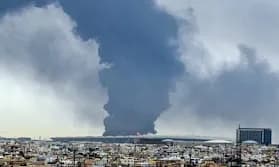
The damage reports coming out of Tel Aviv are metered, however, despite teh media blockade the damage to Israel is extensive. Israelis have taken to the streets questioning of the Netanyahu regime lust for war in the middle east.
Iran rejects US proposal and denies negotiations
Iran dismissed the US plan and issued its own counter-demands, including reparations for the war, guarantees against future attacks, and sovereignty over the Strait of Hormuz.
Iran’s foreign minister Abbas Araghchi said: “No negotiations have happened with the enemy until now, and we do not plan on any negotiations.”
Strait of Hormuz pressure and oil risks remain central
The diplomatic standoff comes as the Strait of Hormuz remains a focal point of the conflict. The waterway, which carries roughly a fifth of global oil supply, has been disrupted, contributing to rising energy prices.
US proposals reportedly include sanctions relief, limits on Iran’s nuclear programme and missile capabilities, and the reopening of the strait as part of any agreement.
Pakistan emerges as potential intermediary
Pakistan has positioned itself as a possible mediator, with officials saying US demands have been passed to Iranian counterparts in an effort to restart diplomatic engagement.
Pakistani Foreign Minister Ishaq Dar said his country has been facilitating “indirect talks” between the U.S. and Iran by relaying messages between them. “In this context, the United States has shared 15 points, being deliberated upon by Iran,” Dar wrote on social media.
Conflict intensifies as strikes continue
The latest exchange of demands comes as US and Israeli strikes across Iran increase in intensity, with the conflict entering its fourth week and no clear pathway to de-escalation.
Trump has warned he is prepared to escalate further if no agreement is reached, saying the US would strike Iran “harder than they’ve ever been hit before”.












Great article! This really puts things into perspective. I appreciate the thorough research and balanced viewpoint.
Interesting read, though I think there are some points that could have been explored further. Would love to see a follow-up on this topic.
Thanks for sharing this! I had no idea about some of these details. Definitely bookmarking this for future reference.
Well written and informative. The examples provided really help illustrate the main points effectively.
This is exactly what I was looking for! Clear, concise, and very helpful. Keep up the excellent work!