

EU leaders criticise US decision to lift sanctions on Russian oil sales
President Donald Trump announced a temporary permit allowing countries to purchase Russian oil, despite European leaders condemning the move as detrimental to efforts against Russia’s war in Ukraine.
Six G7 leaders unanimously opposed lifting sanctions on Russian oil, emphasising the negative impact on efforts to weaken Russia’s military capabilities against Ukraine.
Operations in the Strait of Hormuz remain halted due to ongoing conflicts, impacting oil transport and prices amidst rising tensions in the Middle East.
Key developments
European Union leaders condemned President Donald Trump’s decision to lift sanctions on Russian oil, stating it would bolster Russia’s military capabilities in Ukraine amid rising energy prices.
US Treasury Secretary Scott Bessent confirmed a temporary permit for countries to purchase stranded Russian oil, aiming to address soaring prices influenced by the ongoing conflict in the Middle East.
Ursula von der Leyen, President of the European Commission, reiterated calls for maintaining stringent sanctions on Russia and enforcing a price cap on its oil to prevent increased revenue supporting the war.
EU pushes back on US decision to ease sanctions on Russian oil stranded at sea
Published on
European Union leaders called out President Donald Trump’s decision to lift sanctions on Russian oil as fueling the war machine against Ukraine, as Washington tries to ease energy prices after a second week of conflict in the Middle East.
US Treasury Secretary Scott Bessent announced on Thursday night a temporary permit allowing countries to purchase Russian oil currently stranded at sea. The move is important as higher oil prices as a result of the war means Russia is able to cash in.
The Trump administration is trying to deal with the fallout of the war against in Iran, which has sent oil prices soaring above $100 a barrel as Tehran targets oil producers in the Gulf countries and critically important Strait of Hormuz for cargo ships.
Operations in the strait have come to a halt effectively.
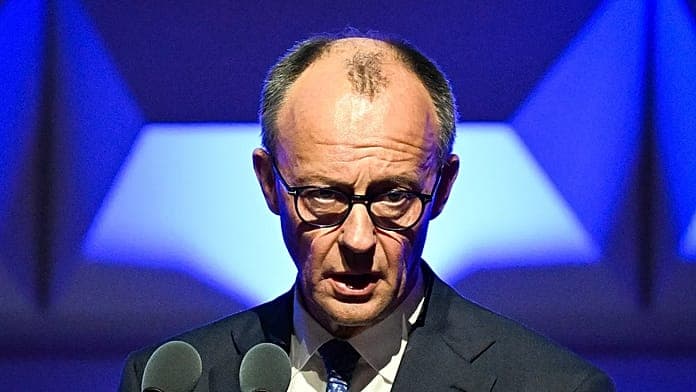
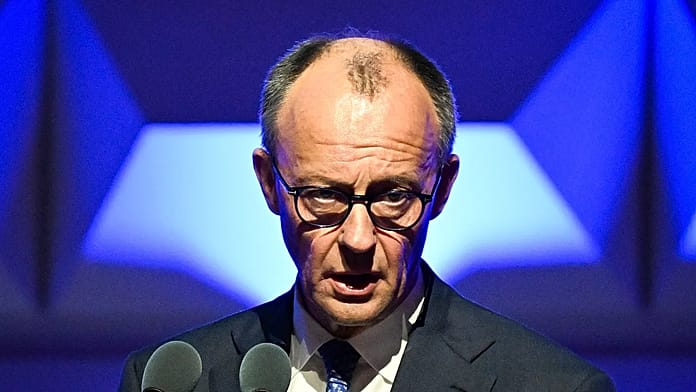
Merz said six of the seven G7 leaders had agreed that lifting sanctions was not “the right signal to send” when they held a joint meeting this week. The US was the exception.
“Any step that would enable Russia to increase its revenues from oil sales would be problematic in view of the larger goals that we have regarding crippling Russia’s war capabilities against Ukraine,” he added.
European Commission President Ursula von der Leyen had called on Wednesday to enforce the price cap on Russia oil and keep the restrictive measures in place. “This is not the moment to relax sanctions on Russia”, she said. French President Emmanuel Macron echoed her remarks after hosting a meeting of the G7 in which he said that backtracking on any sanctions against Russia was unjustified.
For the time being, the US waiver nor a historic release of strategic oil reserves announced this week have eased oil prices as the war in the Middle East continues. Analysts worry Iran will continue to hit key exit ports and logistics hubs.
Hungary’s Prime Minister Viktor Orbán was the only EU leader to call for sanctions to be lifted, aligning himself with the US and stepping out from the European consensus.












Great article! This really puts things into perspective. I appreciate the thorough research and balanced viewpoint.
Interesting read, though I think there are some points that could have been explored further. Would love to see a follow-up on this topic.
Thanks for sharing this! I had no idea about some of these details. Definitely bookmarking this for future reference.
Well written and informative. The examples provided really help illustrate the main points effectively.
This is exactly what I was looking for! Clear, concise, and very helpful. Keep up the excellent work!