

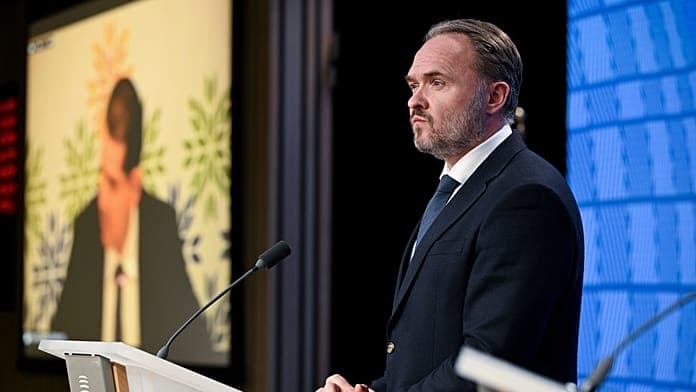
EU energy chief warns of prolonged high prices amid Iran conflict
EU’s energy chief Dan Jørgensen cautioned that energy prices might remain high despite a potential peace deal in Iran, urging member states to brace for disruption.
EU energy prices could remain elevated even with a swift peace deal, prompting member states to explore measures such as fuel rationing amidst a 70% surge in oil prices.
“Plan A was the use of frozen assets. We definitely need to deliver Ukraine the financing that they need to resist the Russian aggression,” asserted Kaja Kallas.
Key developments
EU’s energy chief Dan Jørgensen has cautioned that energy prices may stay elevated despite a potential peace deal regarding Iran, prompting member states to brace for ongoing disruption.
As prices surge—oil by 70% and gas by 50%—EU countries are contemplating fuel rationing and other measures reminiscent of the 1970s energy crisis to manage demand.
Newsletter: Energy shock has Brussels on edge
Good morning from Brussels. I’m Mared Gwyn with your last Europe Today newsletter before we go on a short break. We’ll be back next Tuesday.
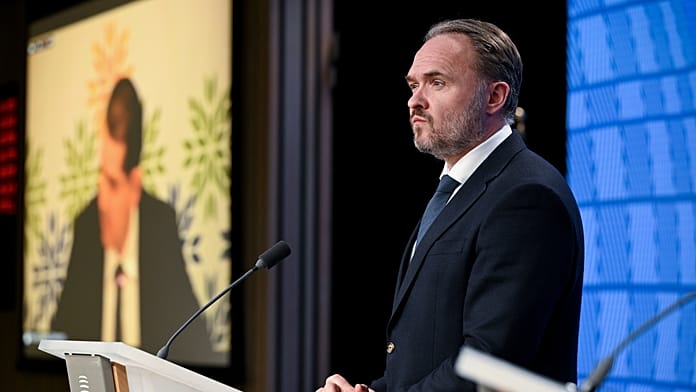
The EU’s energy chief Dan Jørgensen has warned member states that energy prices could remain high even if a peace deal to end the war in Iran is struck swiftly, urging capitals to prepare for the “potentially prolonged disruption.”
EU News’ Marta Pacheco reports that EU countries may consider fuel rationing, remote work, and even “car-free Sundays”— a measure from the 1970s energy crisis — to curb oil and gas demand, as prices have surged 70% and 50%, respectively.
The warnings from Brussels suggest an increasing sense of nervousness over the economic repercussions of the conflict, as the reality of the looming crisis sets in. Marta has this handy explainer on the possible ramifications for Europe, and how countries are preparing.
On Tuesday, US President Donald Trump said countries which had dismissed earlier US requests for support to re-open the Strait of Hormuz – and which now face potential jet fuel shortages – should “build up some delayed courage, go to the Strait and just take it (the oil)”.
It’s awakening fears that the US could withdraw from the conflict without a settlement that would guarantee the safe re-opening of the Strait to international trade. Trump said overnight from the Oval Office that the war could end in “two or three weeks” and is due to address the nation with an update late on Wednesday.
Trump has also lashed out at France, despite heaping praise on the country for its position on the war in recent weeks, claiming Paris had prevented US planes headed to Israel with military supplies from flying over its territory.
“France has been VERY UNHELPFUL with respect to the “Butcher of Iran,” who has been successfully eliminated! The U.S.A. will REMEMBER!!!” Trump wrote on Truth Social.
Speaking from Japan earlier today, Macron hailed Europe’s “predictability” despite its perceived “slowness”, criticising countries which may go faster but could “hurt you without even informing you”, in an apparent jab at the Trump administration.
Secretary of State Marco Rubio told Fox News last night that the US will need to “examine” its relationship with NATO in the aftermath of the war, amid signs that the existing fractures between Washington and other allies have deepened dramatically since the start of the Iran conflict.
Meanwhile, EU foreign ministers held symbolic talks in Ukraine on Tuesday as they scramble to keep attention on the war-torn country amid the conflict in the Middle East, which risks out draining out military stockpiles and fueling Moscow’s warchest as countries look for alternatives amid global oil and gas disruption.
Speaking to Europe Today from Kyiv, Romanian Foreign Minister Oana Țoiu said the relationship between Ukraine and the EU is a “good” and “strong partnership”, despite President Zelenskyy recently drumming a series of deals with Gulf countries amid uncertainty over Western support.
With the EU’s pivotal €90 billion loan for Ukraine still in deadlock due to Hungary’s veto, Țoiu said that the EU needs “better instruments” to enable “faster decisions” on foreign policy.
Kallas insists Russian assets are an option if Orbán doesn’t lift veto on Ukraine loan
Using Russia’s frozen assets to finance Ukraine remains an option if Viktor Orbán refuses to lift his veto on the €90 billion loan after the 12 April elections, EU High Representative Kaja Kallas said on Tuesday, Jorge Liboreiro reports.
Orbán has blocked the financial lifeline over an unrelated dispute with Kyiv regarding the Druzhba oil pipeline, after initially giving his political blessing to the loan in December when he, along with the Czech and Slovakian leaders, negotiated an exemption from any loan payments.
“Plan A was the use of frozen assets. So, we should also keep in mind that if plan B does not work, let’s go back to plan A, but we definitely need to deliver Ukraine the financing that they need to resist the Russian aggression,” Kallas said.
Standing alongside Kallas, Ukrainian Foreign Minister Andrii Sybiha echoed the message, saying the immobilised assets are “not off the table” and “cannot be taken off the agenda until and unless Russia pays all the reparations”.
Jorge has more.
Frustration with Hungary mounts after leaked call shows foreign minister discussing EU sanctions removal with Russian counterpart
“I am calling at the request of Alisher, and he just asked me to remind you that you were doing something about his sister,” Lavrov told Szijjártó, referring to Russian oligarch Alisher Usmanov and his sister Gulbahor Ismailova.
Asked about the investigation in a press conference in Kyiv on Tuesday, the EU’s Foreign policy chief, Kaja Kallas said: “European ministers should work for Europe not for Russia.”
Speaking beside Kallas, Ukraine’s Foreign Minister Andrii Sybiha called for a “proper reaction” from the EU.
Our correspondent Sándor Zsiros writes that the scandal has emerged as Hungary prepares for parliamentary elections on 12 April, with foreign interference and the government’s close ties to Moscow among the key campaign issues.
Szijjártó has defended his actions, arguing that speaking with Russian officials before and after such meetings is part of routine diplomatic practice.
Sándor has more on the allegations.
More from our newsrooms
Should you book holiday flights now considering jet fuel price spikes? Jet fuel prices have more than doubled in recent weeks amid the ongoing Iran war. Airlines have responded with fare increases and temporary surcharges, so should you secure tickets now or wait? Quirino Mealha has the answers.
US wrong to negotiate, Iranian regime ‘not trustworthy,’ Iranian opposition leader says. Speaking to EU News, the exiled leader of the Kurdish Iranian opposition said that no one in the Iranian regime was “trustworthy”, downplaying claims from the US administration that Iranian officials were “reasonable” negotiators. Maria Tadeo and Estelle Nilsson-Julienhave more.
We’re also keeping an eye on
- US President Donald Trump to address the nation on the Iran war at 21.00 local time. The address will take place in the early hours in Europe (03.00 in Brussels).
That’s it for today. Marta Pacheco, Jorge Liboreiro and Sandor Zsiros contributed to this newsletter.
Europe Today is taking a break until Tuesday, April 7. We’ll see you then. Remember to sign up to receive Europe Today in your inbox every weekday morning at 08.30.





Great article! This really puts things into perspective. I appreciate the thorough research and balanced viewpoint.
Interesting read, though I think there are some points that could have been explored further. Would love to see a follow-up on this topic.
Thanks for sharing this! I had no idea about some of these details. Definitely bookmarking this for future reference.
Well written and informative. The examples provided really help illustrate the main points effectively.
This is exactly what I was looking for! Clear, concise, and very helpful. Keep up the excellent work!