


Media Lens: US Marine arrested for murder in Okinawa prompts Japan’s diplomatic response
A US Marine faces arrest on suspicion of murder in Okinawa, Japan. Authorities have initiated a response to the incident, sparking significant public concern.
Quick links: What has happened | Status quo | Confirmed facts | Preconceptions | Elisions | One story, four angles | Related links
What has happened
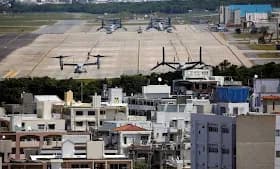
A U.S. Marine has been arrested in Okinawa, Japan, on suspicion of murder, which has prompted significant public outrage and protests within the local community. The incident has led to the Japanese government summoning the U.S. ambassador to address the heightened tensions surrounding the presence of U.S. military personnel in the region.
The Marine’s arrest has reignited longstanding concerns in Okinawa over crime linked to military bases stationed there. As a response, local officials and residents have voiced their demands for stricter oversight of U.S. troops to ensure the safety and security of the Okinawan population.
Status quo
A U.S. Marine has been arrested in Okinawa, Japan, on suspicion of murder, sparking significant public outrage. The incident has heightened tensions regarding the presence of U.S. military personnel on the island. In response to the arrest, Japan has summoned the U.S. ambassador to express its concerns. The situation is rapidly evolving, and further details are expected as investigations proceed.
Confirmed facts
- A U.S. Marine has been arrested on suspicion of murder in Okinawa, Japan.
- The arrest of the Marine has sparked outrage in Japan.
- Japan has summoned the U.S. ambassador following the arrest.
- The incident relates to the killing of a local resident in Okinawa.
Preconceptions
- Al Jazeera prioritises the implications of Japan’s diplomatic response following the arrest, focusing on the immediate political ramifications, while CNN emphasizes the public outrage in Japan, highlighting societal reactions.
- The WSJ article underscores the historical context of US-Japan relations regarding military presence and security, whereas WRAL concentrates more on the recent events surrounding the arrest itself and the ensuing protests.
- CNN’s coverage stresses detailed eyewitness accounts and public sentiment surrounding the incident, while Al Jazeera provides a broader analysis of the defense implications and potential diplomatic fallout.
Elisions
- Al Jazeera emphasizes public outrage and protests in Japan following the US Marine’s arrest, while CNN focuses on detailing the arrest’s legal implications and its impact on US-Japan relations, highlighting different angles of public reaction.
- CNN provides detailed context about the historical tension regarding US military presence in Okinawa, whereas the WSJ leans towards reporting on the immediate political repercussions, missing more expansive historical narrative that other sources include.
- WRAL mentions specific local reactions from Okinawan citizens, giving a grassroots perspective that is absent in coverage by outlets such as CNN, which tends to focus more on official government responses.
One story, four angles
Al Jazeera – Japan summons US envoy as Marine arrested over killing in Okinawa
Publication: Al Jazeera | Intensity: (7/10) | Sentiment: Neutral | Legal precision: Low
Expand
Espresso Shot: The article immediately urges readers to focus on the diplomatic implications of a U.S. Marine’s alleged crime in Japan, highlighting the summoning of the U.S. envoy.
Key differences:
- Comparison: While Al Jazeera emphasizes diplomatic repercussions, CNN highlights local outrage. Example: “Japan summons US envoy” vs. “sparking outrage in Japan”.
- Comparison: Al Jazeera’s narrative pushes international relations, contrasting WSJ‘s focus on the public protests. Example: “summons US envoy” vs. “protests after U.S. Marine accused”.
- Comparison: Al Jazeera maintains neutrality compared to CNN’s emotional tone. Example: Al Jazeera presents facts; CNN states “outrage in Japan”.
Bias: Selection: Focus on diplomatic actions may overlook broader public concerns; Language: Neutral and formal, lacking emotive engagement; Omission: Insufficient emphasis on local sentiment and protests that are crucial to the narrative.
Assessment: The reader initially believes the arrest could spark significant diplomatic tensions.
CNN – US Marine arrested on suspicion of murder in Okinawa, sparking outrage in Japan
Publication: CNN | Intensity: (8/10) | Sentiment: Negative | Legal precision: Medium
Expand
Espresso Shot: The article compels readers to focus on the emotional reaction of the public in Japan towards the U.S. Marine’s arrest, signifying a strong societal backlash.
Key differences:
- Comparison: CNN emphasizes public outcry compared to Al Jazeera’s focus on diplomatic implications. Example: “sparking outrage” vs. “summons US envoy”.
- Comparison: CNN’s dramatic language contrasts with WSJ‘s straightforward reporting style. Example: “outrage” vs. “protests after…accused”.
- Comparison: CNN leans into emotional frames more than WRAL, which takes a factual approach. Example: CNN depicts a narrative of collective anger, while WRAL reports the events more neutrally.
Bias: Selection: Chooses to amplify public sentiment over legal aspects; Language: Strong emotional vocabulary like “sparking outrage” to create urgency; Omission: Lacks detailed legal context or potential defense for the accused, shaping a one-sided view.
Assessment: The reader is led to believe there is widespread anger in Japan regarding U.S. military presence.
WSJ – Japan Protests After U.S. Marine Accused of Murder
Publication: WSJ | Intensity: (6/10) | Sentiment: Negative | Legal precision: Medium
Expand
Espresso Shot: The headline grabs attention by focusing on local protests as a direct response to the Marine’s alleged actions, highlighting public unrest.
Key differences:
- Comparison: While WSJ foregrounds protests, CNN emphasizes public outrage. Example: “Japan Protests” vs. “sparking outrage in Japan”.
- Comparison: WSJ remains more subdued and less emotionally charged than both Al Jazeera and CNN. Example: “accused of murder” is factual, whereas CNN uses loaded phrasing.
- Comparison: WSJ links legal implications more directly than CNN, which focuses on emotional impact. Example: WSJ discusses “accused” while CNN leans on “outrage”.
Bias: Selection: Emphasizes public actions over international relations, potentially skewing broader context; Language: More factual and subdued compared to the urgency in CNN’s language; Omission: Omits deeper discourse on diplomatic ramifications and the nature of public concerns surrounding U.S. military presence in Japan.
Assessment: The reader is led to believe that there is significant local protest against the U.S. military presence following the incident.
WRAL – US Marine’s arrest in a killing on Okinawa triggers outrage in Japan
Publication: WRAL | Intensity: (5/10) | Sentiment: Neutral | Legal precision: Low
Expand
Espresso Shot: The report highlights the anger among the Japanese populace, focusing on the local disturbances following the arrest.
Key differences:
- Comparison: WRAL maintains a middle ground between CNN’s emotional angle and WSJ’s factual approach. Example: “triggers outrage” vs. “outrage in Japan” (CNN) vs. “accused of murder” (WSJ).
- Comparison: WRAL includes details about the implications of the arrest less than CNN. Example: WRAL’s report does not emphasize international relations, unlike Al Jazeera.
- Comparison: WRAL’s language remains more factual compared to emotional claims in CNN and less formal than Al Jazeera. Example: The wording is straightforward without heightened emotional cues.
Bias: Selection: Focuses more on the local response which may overlook broader diplomatic discussions; Language: Straightforward and less emotive compared to others; Omission: Missing insights on the legal proceedings and possible military repercussions that might shape the narrative.
Assessment: The reader is likely to believe there is local discontent but may not grasp the full implications of diplomatic relations.
The coverage of the incident involving a U.S. Marine arrested for murder in Okinawa varies significantly among outlets. CNN’s framing highlights public outrage and focuses on the escalating tension between the U.S. military presence and local sentiment, marking it as the most escalatory. In contrast, Al Jazeera presents a more neutral account, emphasizing the military legal implications without evoking broader societal anxiety. Meanwhile, the WSJ portrays the situation as a protest against U.S. actions, reflecting concern yet lacking the intense escalation seen in CNN’s narrative. The facts do not change. What changes is where scrutiny lands.
Related links
Al Jazeera
Japan summons US envoy as Marine arrested over killing in Okinawa
CNN
US Marine arrested on suspicion of murder in Okinawa, sparking outrage in Japan
WSJ
Japan Protests After U.S. Marine Accused of Murder
WRAL
US Marine’s arrest in a killing on Okinawa triggers outrage in Japan











Great article! This really puts things into perspective. I appreciate the thorough research and balanced viewpoint.
Interesting read, though I think there are some points that could have been explored further. Would love to see a follow-up on this topic.
Thanks for sharing this! I had no idea about some of these details. Definitely bookmarking this for future reference.
Well written and informative. The examples provided really help illustrate the main points effectively.
This is exactly what I was looking for! Clear, concise, and very helpful. Keep up the excellent work!