


Media Lens: Iran-Gulf Talks Postponed Amidst Rising Oil Prices and Houthi Attacks
Talks between Iran and Gulf nations have postponed in Oman. The discussions aimed to address various regional concerns but have faced delays.
Quick links: What has happened | Status quo | Confirmed facts | Preconceptions | Elisions | One story, four angles | Related links
What has happened
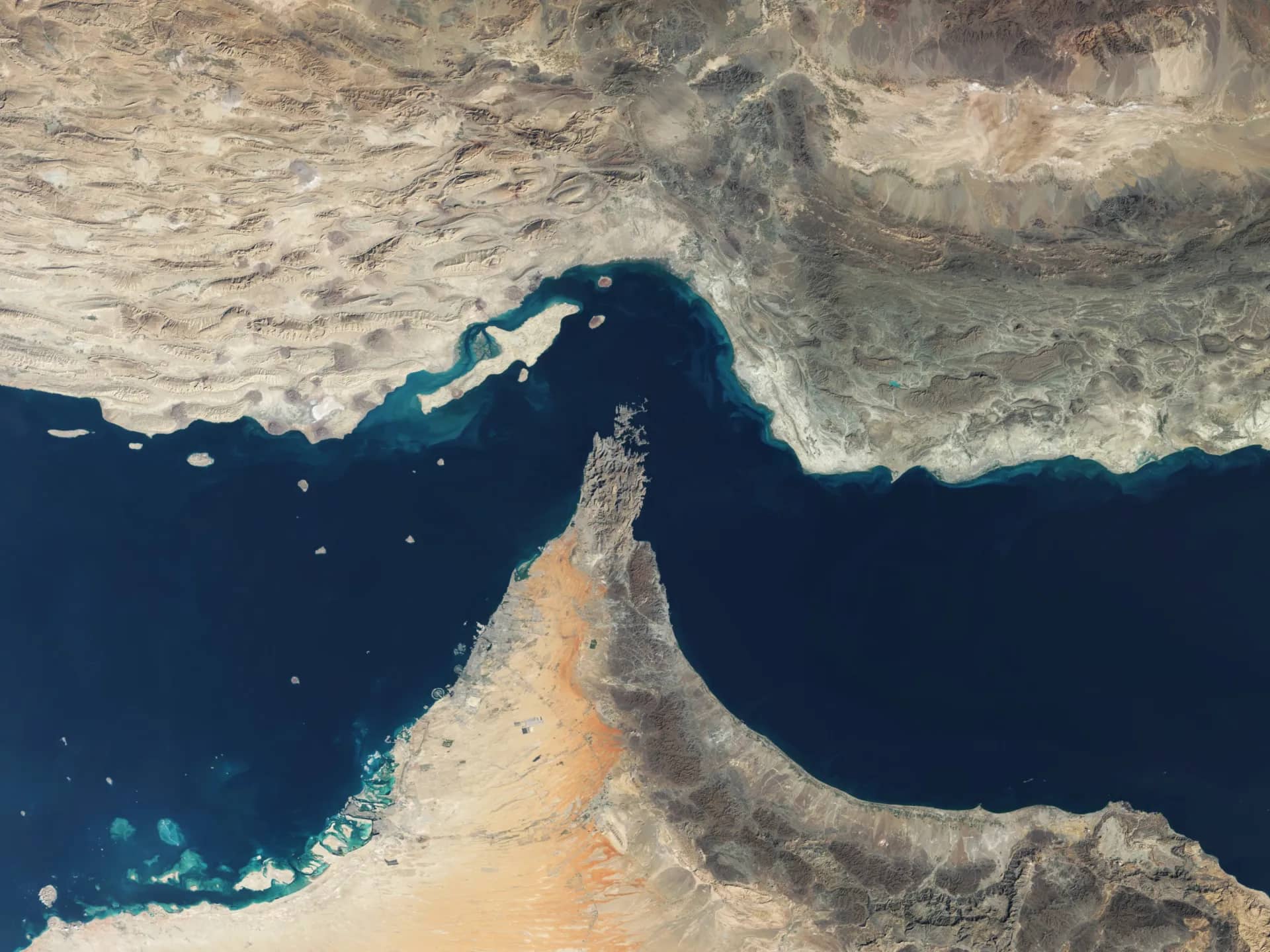
Talks between Iran and Gulf nations that were scheduled to take place in Oman have been postponed. The discussions were expected to focus on issues related to regional security, particularly in the context of tensions in the Strait of Hormuz.
This postponement comes amid ongoing conflicts, including Houthi attacks on Saudi Arabia, which have escalated regional tensions. The delay in negotiations signifies challenges in diplomatic efforts to stabilize relations in the Middle East.
Status quo
Talks aimed at diplomatic engagement between Iran and Gulf nations in Oman have been postponed. These discussions were anticipated to address rising tensions in the region, particularly concerning the strategic Strait of Hormuz. The postponement comes amid ongoing geopolitical issues, including Houthi attacks on Saudi Arabia and fluctuating oil prices, which have recently surged to a near four-month high.
Confirmed facts
- Talks between Iran and Gulf nations in Oman have been postponed.
- Oil prices have surged to a near four-month high.
- Houthi attacks on Saudi Arabia have continued amidst the tensions.
- The diplomatic efforts involving Iran and Arab states are currently stalled.
Preconceptions
- CBS News prioritises the financial impact of the postponed talks by emphasizing the rise in oil prices, while reducing focus on broader geopolitical dynamics.
- Reuters gives equal importance to the postponement of the Oman-Iran talks and the Houthi attacks on Saudi Arabia, thus highlighting regional security concerns alongside economic repercussions.
- Bloomberg highlights the delayed talks specifically between Iran and Gulf nations within the context of Saudi Arabia’s response to Houthi aggression, shifting emphasis towards diplomatic tensions rather than solely economic implications.
- The New York Times prioritizes the broader implications of diplomatic stalling in the Middle East and its general effects on regional stability, while downplaying immediate economic impacts.
- In contrast, all outlets report similarly on the event but place varying levels of emphasis on economic versus political dimensions of the ongoing tensions and delays.
Elisions
- While CBS News covers the postponement of talks between Iran and Gulf nations in Oman, Reuters emphasizes the impact on oil prices, indicating a focus on economic implications absent from CBS.
- The New York Times mentions that the meeting postponement is linked to stalled Mideast diplomacy, which is not highlighted in the CBS or Reuters articles, showcasing a narrower diplomatic perspective in their coverage.
- Bloomberg discusses the delayed talks within the context of Saudi Arabia’s responses to Houthi attacks, providing depth on regional security that is underexplored by other sources, such as CBS and Reuters.
One story, four angles
CBS News – Iran War Updates: Oil prices jump to near 4-month high as Oman-Iran talks on Strait of Hormuz postponed
Publication: CBS News | Intensity: (7/10) | Sentiment: Neutral | Legal precision: Moderate
Expand
Espresso Shot: Readers are initially led to focus on the rising oil prices linked to geopolitical tensions, indicating economic implications from postponed talks.
Key differences:
1. While CBS highlights oil prices—“jump to near 4-month high”—this presents an economic urgency, contrasting with Reuters which emphasizes ongoing military actions first.
2. CBS specifically mentions “Oman-Iran talks on Strait of Hormuz postponed,” framing the narrative around diplomatic failures, whereas Bloomberg leads with the implications of these events on other regional dynamics.
3. CBS opts for a broader economic context, saying “oil prices” whereas other outlets like The New York Times focus more on specific diplomatic relations.
Bias: Selection: Leans towards the economic impacts rather than diplomatic narratives | Language: Neutral, with a focus on economic concerns | Omission: Less emphasis on military implications compared to others.
Assessment: The reader is likely led to believe economic instability due to geopolitical events is a primary concern.
Reuters – Iran war live: Hormuz talks postponed and oil prices jump, as Houthi attacks on Saudi Arabia continue
Publication: Reuters | Intensity: (8/10) | Sentiment: Negative | Legal precision: High
Expand
Espresso Shot: Readers are directed to focus first on the ongoing military conflicts, making it clear that regional instability is the pressing issue.
Key differences:
1. Reuters places greater emphasis on military action with “Houthi attacks on Saudi Arabia,” which emphasizes conflict over economics, diverging from CBS’s economic focus.
2. They adopt an urgent tone regarding the “Hormuz talks postponed,” framing it within ongoing conflicts, unlike Bloomberg which presents a more analytical view of diplomatic delays.
3. The simultaneous mention of military action and economic effects (“oil prices jump”) contrasts with The New York Times’ more diplomatic-focused narrative.
Bias: Selection: Strong focus on military conflicts and their impacts | Language: More urgent and negative, reflecting the gravity of the situation | Omission: Less discussion on potential diplomatic resolutions compared to CBS.
Assessment: The reader is led to prioritize military escalation over economic factors, perceiving a severe threat to stability.
Bloomberg – Iran-Gulf Talks Delayed as Saudi Arabia Counters Houthi Attacks
Publication: Bloomberg | Intensity: (6/10) | Sentiment: Neutral | Legal precision: Moderate
Expand
Espresso Shot: The initial focus is on the diplomatic tensions and military responses between regional powers, suggesting complexity in the situation.
Key differences:
1. Bloomberg emphasizes Saudi Arabia’s response to Houthi attacks, portraying active conflict in geopolitical terms compared to CBS’s focus on economic consequences.
2. It highlights the term “delayed,” suggesting a temporary setback rather than a permanent failure, in contrast to Reuters’ urgent crisis framing.
3. Bloomberg discusses broader implications concerning regional politics, whereas CBS remains fixated on economic fallout.
Bias: Selection: Balances economic and military dynamics | Language: More analytical rather than emotionally charged | Omission: Less focus on immediate threats than Reuters, allowing for a broader perspective.
Assessment: The reader is inclined to see the situation as a complex interplay of diplomacy, military actions, and economics.
The New York Times – Meeting Between Iran, Arab States Postponed as Mideast Diplomacy Stalls
Publication: The New York Times | Intensity: (5/10) | Sentiment: Neutral | Legal precision: High
Expand
Espresso Shot: The emphasis begins on the diplomatic implications of postponed talks, directing focus to the stalled negotiations in the region.
Key differences:
1. The New York Times stresses the diplomatic failures and implications of postponed meetings compared to CBS’s framing towards immediate economic consequences.
2. Contrasts with Reuters by minimizing military aspects, focusing instead on diplomatic stalling, indicating a more comprehensive view of factors affecting the region.
3. While emphasizing depth in political relationships, NYT lacks the urgency characteristic of Reuters’ portrayal of conflict escalation.
Bias: Selection: More focus on diplomacy and negotiations | Language: Analytical, less emotionally charged in contrast to others | Omission: Military details are sparse, allowing for a wider lens on diplomatic issues.
Assessment: The reader is led to view diplomatic dynamics as stagnant, highlighting negotiation challenges above immediate threats.
In analyzing coverage of the Oman-Iran talks, CBS News presents a balanced view, focusing on the potential implications of delayed negotiations, framing the situation as a developing diplomatic challenge. Conversely, Reuters employs more escalatory language, emphasizing rising oil prices and the Houthi threats to Saudi Arabia, suggesting an imminent crisis. Bloomberg also leans towards escalatory framing, highlighting regional tensions without as much emphasis on diplomatic efforts. The New York Times leans slightly towards a neutral tone, discussing stalled diplomacy while acknowledging the broader implications. The facts do not change. What changes is where scrutiny lands.
Related links
CBS News
Reuters
Bloomberg.com
Iran-Gulf Talks Delayed as Saudi Arabia Counters Houthi Attacks
The New York Times
Meeting Between Iran, Arab States Postponed as Mideast Diplomacy Stalls











Great article! This really puts things into perspective. I appreciate the thorough research and balanced viewpoint.
Interesting read, though I think there are some points that could have been explored further. Would love to see a follow-up on this topic.
Thanks for sharing this! I had no idea about some of these details. Definitely bookmarking this for future reference.
Well written and informative. The examples provided really help illustrate the main points effectively.
This is exactly what I was looking for! Clear, concise, and very helpful. Keep up the excellent work!