


Get you up to speed: European Commission Pushes to Change WTO Rules Amidst Trade Deficit with China
The European Commission aims to revisit the WTO’s “Most Favoured Nation” principle due to the increasing trade deficit with China, which reached €359.3 billion in 2025. The principle requires members to grant the lowest tariff offered to one partner to all partners.
This proposal is driven by ongoing barriers faced by European companies in China, with Commissioner Šefčovič highlighting the need for fairness in market access. Critics argue that China has not fully adhered to WTO practices since its accession in 2001.
The issue is expected to be discussed at the WTO ministerial conference in Cameroon in March, where reform of trade practices will be a key focus. This shift might link low tariffs to reciprocal market access, according to Šefčovič.
What we know so far
European Commission targets WTO’s key rule in push to rebalance China trade
The European Commission is looking to change the “Most Favoured Nation” principle at the WTO as part of its strategy to address the widening trade deficit with China. This principle, which mandates that the lowest tariff offered to one country must be extended to all, is seen as supporting structural imbalances by Brussels.
Commissioner Šefčovič outlined that the proposal aims to ensure low tariffs come with equal market access, given the persistent barriers faced by European firms in China. He stated, “The low tariffs should be matched with equal access to your [a trading partner’s] markets,” emphasising the need for fairness.
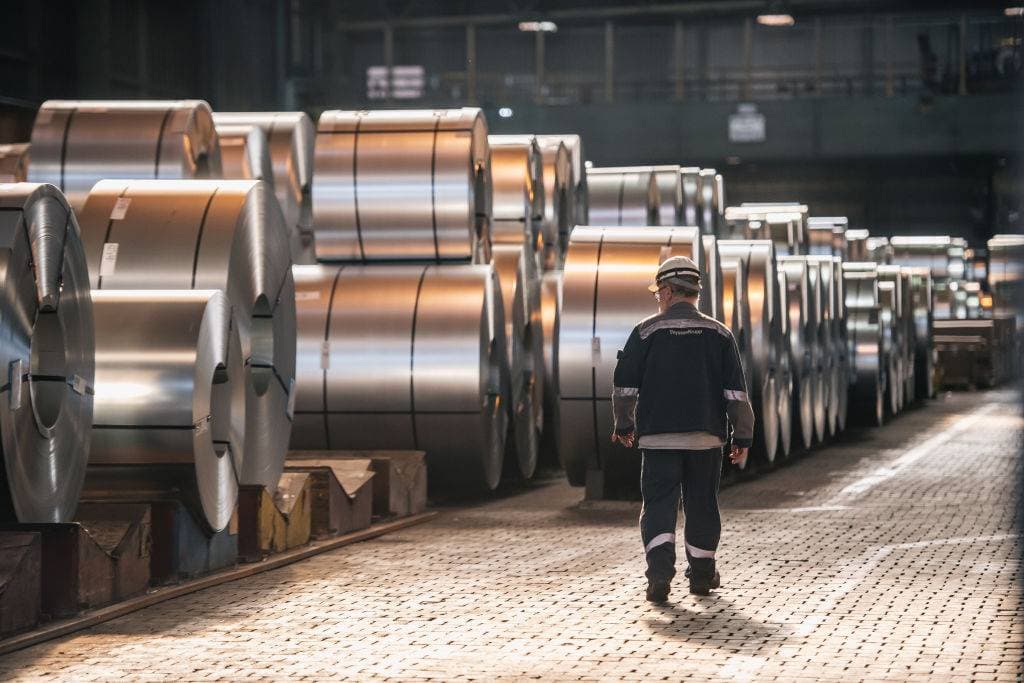
The EU’s goods trade deficit with China ballooned to €359.3 billion in 2025, raising alarms in Europe over the current trading relationship. Critics have pointed out that since joining the WTO in 2001, China has not fully complied with established trade practices, benefiting from extensive state subsidies.
As discussions on WTO reform continue, the upcoming ministerial conference in Cameroon in March will address these pressing trade issues. Šefčovič noted, “When this principle was embedded… the GDP of China represented around 5 to 6%. Today we are at the level of 20%,” highlighting the changing dynamics of global trade.















Great article! This really puts things into perspective. I appreciate the thorough research and balanced viewpoint.
Interesting read, though I think there are some points that could have been explored further. Would love to see a follow-up on this topic.
Thanks for sharing this! I had no idea about some of these details. Definitely bookmarking this for future reference.
Well written and informative. The examples provided really help illustrate the main points effectively.
This is exactly what I was looking for! Clear, concise, and very helpful. Keep up the excellent work!