


Get you up to speed: US Apache helicopter shot down over Strait of Hormuz with Trump promising retaliation on Iran | News World
The US launched self-defence strikes against Iran following the downing of an Apache attack helicopter near the Strait of Hormuz, which President Trump attributed to Iranian aggression. US Central Command confirmed the strikes, highlighting the situation’s potential to threaten the existing ceasefire.
US Central Command has reported that the strikes on Iran are a proportional response aimed at deterring further aggression following the downing of the Apache helicopter. An investigation into the circumstances of the crash is ongoing, with military officials confirming it was struck by an Iranian drone, but the nature of the engagement is yet to be determined.
The US Central Command confirmed that strikes were conducted as a “proportional response to unjustified Iranian aggression,” marking a significant escalation in hostilities. In light of the situation, President Trump stated the US must respond and previously expressed optimism about negotiations, implying this new military action could jeopardise the ongoing ceasefire talks.
What remains unclear — Military officials have not disclosed the specific cause of the Apache helicopter crash.
US strikes Iran following Apache helicopter downing over Strait of Hormuz
The US has launched fresh strikes on Iran after Donald Trump promised revenge for the downing of an Apache attack helicopter.
US Central Command confirmed they had carried out ‘self-defence’ strikes, threatening the fragile ceasefire between the two countries.
Explosions were heard soon after the announcement.
USCC said in a statement: ‘The mission is a proportional response to unjustified Iranian aggression.’
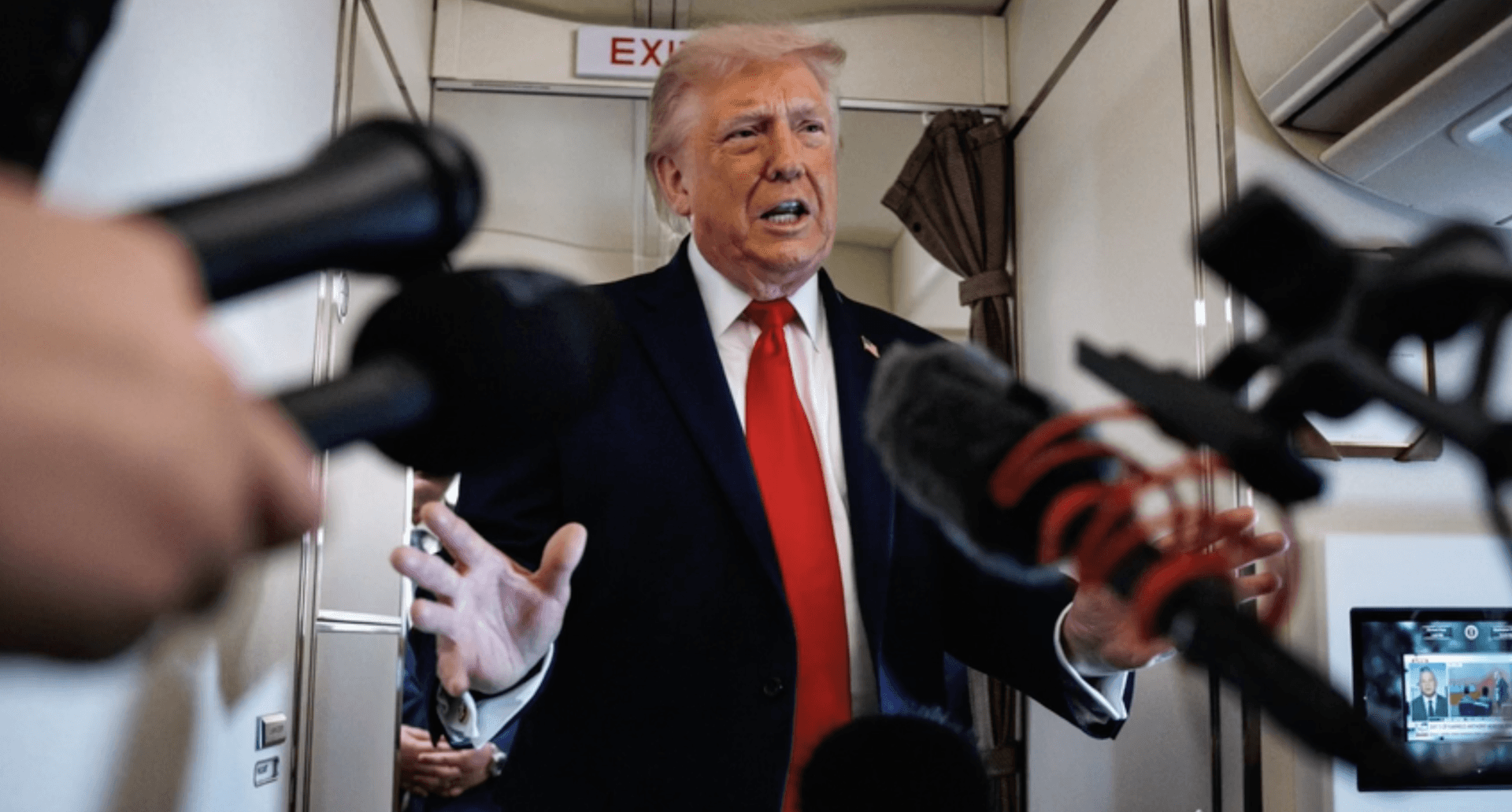
President Trump earlier called for revenge after two pilots had to be rescued when their military helicopter crashed near the Strait of Hormuz.
In a Truth Social post, he said earlier: ‘I have just been informed by our Great Military that last night the Iranians shot down one of our highly sophisticated Apache Helicopters while patrolling over the Strait of Hormuz.
Sign up for all of the latest stories
‘There were two pilots involved, both are safe and uninjured. Nevertheless, the United States must, of necessity, respond to this attack.’
Captain Tim Hawkins, a spokesman for US Central Command said it was the first known drone rescue at sea by the American forces.
Military officials did not say what caused the Apache helicopter to go down, saying the crash was under investigation but Trump said he learned Iran was responsible before posting.
A senior military official told Axios that an investigation determined that an Iranian drone struck the AH-64 Apache but the official stressed they had not yet determined whether that was an intentional Iran attack.
Before he accused Iran of shooting down the helicopter, Trump had expressed renewed optimism over negotiations with Iran.
‘We have a good chance’ of signing a deal in ‘two or three days,’ Trump said. But he didn’t provide any details on why there was reason for new optimism. In the two months since the U.S. and Iran agreed to an initial ceasefire, Trump has repeatedly predicted that a deal is near.
‘We’re very close to having a very, very good, strong, powerful deal,’ the president said.
‘If we go and bomb — which we could do very easily if we want, and we spend another two or three weeks bombing — they’ll have nothing left whatsoever. But you won’t have the Strait open for months.’
The US negotiations centre on demands Iran give up its stockpile of highly enriched uranium, which is believed to be entombed in the aftermath of American airstrikes that happened during the 12-day war in 2025.
But Iran is refusing that and is demanding relief from sanctions. It also wants the release of frozen assets even before a final agreement is in place, something rejected by Trump.
Comment now
Comments
Add WTX as a Preferred Source on Google








Great article! This really puts things into perspective. I appreciate the thorough research and balanced viewpoint.
Interesting read, though I think there are some points that could have been explored further. Would love to see a follow-up on this topic.
Thanks for sharing this! I had no idea about some of these details. Definitely bookmarking this for future reference.
Well written and informative. The examples provided really help illustrate the main points effectively.
This is exactly what I was looking for! Clear, concise, and very helpful. Keep up the excellent work!